

By Author – Prankul Sinha
Introduction
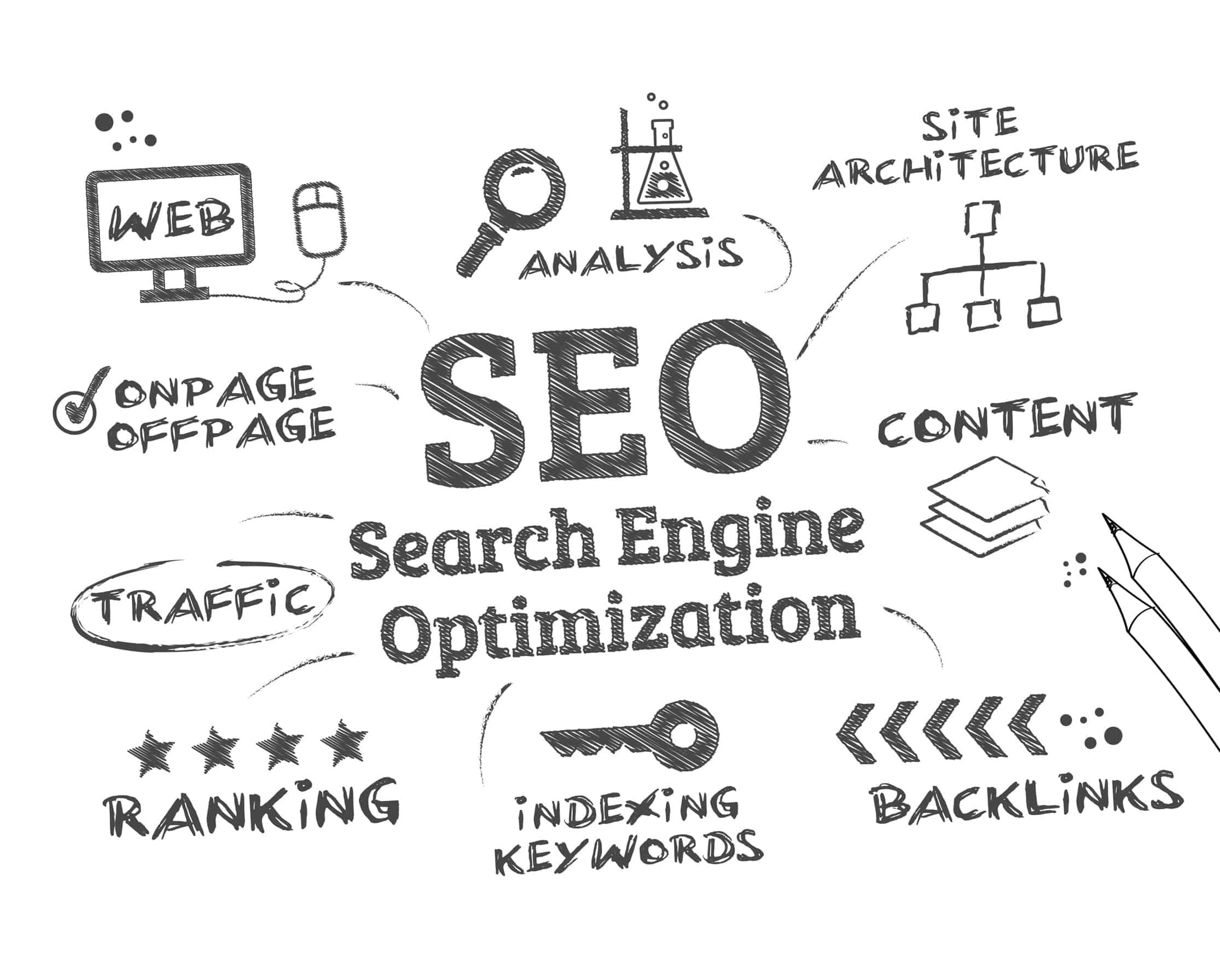
Search Engine Optimization, commonly known as SEO, is the process of increasing traffic to a website through organic or natural search results on search engines. Popular search engines like Google, Yahoo, and Bing display search results in a ranked order — and the higher your page ranks, the more visibility your site receives.
A well-optimized website has better chances of appearing among the top 10 search results. SEO involves improving the website’s content, HTML structure, and coding to make it more relevant to specific keywords while ensuring that there are no barriers to search engine indexing.
Another major part of SEO is link building, which involves increasing the number of backlinks (inbound links from other websites). These backlinks act as endorsements for your website, signaling to search engines that your content is credible and worth ranking higher.
Types of SEO
SEO can be broadly divided into two main categories:
-
On-Page SEO
-
Off-Page SEO
On-Page SEO
On-Page SEO refers to all the techniques and settings that can be implemented directly on your website to improve its search engine ranking.
This includes optimizing content with keywords, using meta tags and meta descriptions, improving internal linking, creating a customized URL structure, adding alt text to images, and ensuring high-quality, valuable content for users.
Types of On-Page SEO
1. Backlinking
Backlinking plays a major role in establishing authority and credibility. When you link to reliable and high-ranking websites, search engines like Google consider your website more trustworthy.
Creating multiple backlinks to authoritative sites can also increase the likelihood of earning reciprocal backlinks, meaning those sites might link back to you in the future. This exchange of links significantly improves your website’s traffic and search visibility.
2. Meta Description
A meta description is the short piece of text that appears below your website’s title on search engine result pages (SERPs).
This description helps users understand what your page is about and determines whether they click on your link or move on to another result. A strong, clear, and keyword-rich meta description can greatly improve your click-through rate (CTR) and overall search ranking.
3. Image SEO
Images are an essential part of a website, but they also need to be optimized for SEO. Image SEO ensures that your images appear in Google Image Search results, bringing in additional traffic to your website.
When a user clicks on an optimized image, they are redirected to your site — generating potential leads. To achieve this, make sure to:
-
Use descriptive filenames
-
Add relevant alt attributes
-
Compress images for faster loading times
Well-optimized images improve both user experience and search engine ranking.
Off-Page SEO
Off-Page SEO involves activities performed outside your website to enhance its authority, popularity, and trustworthiness. These actions signal to search engines that your website is valuable and credible.
Here are some key off-page SEO techniques:
1. Sharing Content
Creating valuable content is only half the job — sharing it is equally important. Posting your blogs or updates on social media platforms, forums, and other online communities can significantly increase visibility.
Your friends, followers, or professional connections may further share your post, expanding your reach exponentially. If your content is relevant and interesting, it has the potential to go viral and drive huge traffic to your website.
2. Likes and Star Ratings
The number of likes, shares, and ratings your content receives also impacts your SEO.
When a post gains positive ratings or reviews, it signals credibility and trustworthiness to both your audience and search engines like Google. In particular, star ratings act as a form of online review — improving user perception and ranking power.
3. Answering Queries and Being Responsive
Engagement is the heart of off-page SEO. When your audience leaves comments or questions, it shows they are genuinely interested in your content.
By responding promptly and helping users, you build trust and deepen engagement. This responsiveness not only improves customer relationships but also enhances your brand image and online reputation.
4. Understanding User Intent
Knowing what your audience is looking for is essential for successful SEO. Spend time researching trending topics, user preferences, and market demand before publishing new content.
By addressing your target audience’s interests and needs, you can generate more engagement, improve dwell time, and establish your website as a reliable information source. Staying updated with the latest industry trends also gives you a competitive advantage.
5. Building a Personal Connection
Off-Page SEO is not just about technical tactics — it’s also about building relationships.
Engage with your readers on social media, reply to their comments, and maintain a friendly tone. The more you interact personally, the more familiar and connected your audience will feel with your brand. This emotional connection can transform one-time visitors into loyal followers and customers.
Conclusion
Search Engine Optimization is much more than just ranking higher on Google — it’s about creating value, trust, and meaningful engagement.
By mastering both On-Page and Off-Page SEO techniques, businesses can dramatically increase their visibility, traffic, and credibility online. Whether it’s optimizing your meta tags, improving backlinks, or connecting personally with your audience, SEO remains one of the most powerful tools for sustainable digital growth.