
Warning: Undefined array key "post_type" in /home/jainsoftware/public_html/wp-content/plugins/bravepopup-pro/lib/render.php on line 316

Warning: Undefined array key "post_type" in /home/jainsoftware/public_html/wp-content/plugins/bravepopup-pro/lib/render.php on line 316
 

May 2018

A FAR REACHING FINANCIAL INCLUSION PROGRAM (JAN DHAN YOJANA )

How can a country develop if a larger chunk of its population is left behind? If a greater portion of its masses still remains unbanked? In order to justify the title ‘developing country’ financial inclusion is a must for India.

Through the years, the government of India and Reserve bank of India have taken various measures to achieve the goal of financial inclusion. The PRADHAN MANTRI JAN DHAN YOJANA is perhaps the largest financial inclusion drive in the world, and having its achievements recognized by the Guinness worlds records is undoubtedly a crowning achievement.

The benefits under the Pradhan Mantri Jan Dhan Yojana scheme are:

  • Interest on deposit.
  • Accidental insurance cover of Rs.1 lakh
  • No minimum balance required.
  • The scheme provides life cover of Rs.30,000/- payable on the death of the beneficiary, subject to fulfillment of the eligibility condition.
  • Easy Transfer of money across India
  • Beneficiaries of Government Schemes will get Direct Benefit Transfer in these accounts.
  • After a satisfactory operation of the account for 6 months, an overdraft facility will be permitted
  • Access to Pension, insurance products.
  • The Claim under Personal Accidental Insurance under Pradhan Mantri Jan Dhan Yojana shall be payable if the RuPay Cardholder has performed minimum one successful financial or non-financial customer induced transaction at any Bank Branch, Bank Mitra, ATM, POS, E-COM etc. Channel both Intra and Inter-bank i.e. on-us (Bank Customer/RuPay card holder transacting at same Bank channels) and off-us (Bank Customer/RuPay card holder transacting at other Bank Channels) within 90 days prior to the date of the accident including accident date will be included as eligible transactions under the RuPay Insurance Program 2016-2017.
  • Overdraft facility up to Rs.5000/- is available in only one account per household, preferably lady of the household.


Expediently moving towards its target to provide universal access to banking facilities, the scheme has offered immense benefits and has a plentiful share in the success stories of financial literacy and financial inclusion.

  • However, In comparison to the rural and urban branches, it depicts that the rural branches have more bank mitras as compared to urban branches. It reflects that the rural branches require this facility to connect with the customers. The urban branches have a comparatively less requirement of bank mitras. This concludes that the urban branches perform well compared to rural branches in the case of requirement of bank mitras.
  • Also, When compared to rural and urban branches, the awareness level of customers with regards to the facilities under the PMJDY scheme is more in the urban branches than the rural branches. This concludes that the rural branches should improve on customer awareness.
  • Besides, In comparison to rural and urban branches, rural branches allow a fewer number of accounts per household when compared to urban branches. This talk about the requirements and facilities provided in maintaining the accounts. Thus when compared, it is seen that the urban branches have a better maintenance of PMJDY accounts.
  • Most of the customers in the rural branches face a problem with language and face a problem of illiteracy.
  • Rural branches have a better reach to the PMJDY customers as compared to the urban branches. In addition to it, the rural branches witness more transactions pertaining to RuPay card when compared to that of the urban branches.


A way ahead:

  • With regards to the deduction of premium based on the responses, it is seen that few of the rural and urban branches deduct premium for the insurance facility whereas the other branches do not. Therefore, a uniform system of deduction of premium should be maintained so as to bring about equality.
  • Duplication of accounts should be allowed in all the branches provided that it is opened in different branches. This promotes the sense of saving and also attracts the customers because of the various benefits available to them.
  • The customers should also be educated with the use of E-mail and mobile applications to facilitate their work and transactions. This reduces the cost of visiting the branches and helps in providing easier and faster services to customers.
  • The satisfaction level of the PMJDY customers must be monitored from time to time so as to provide the best possible services.


PMJDY, a long felt-need National Mission on Financial Inclusion committed itself for an integrated approach to bring about comprehensive financial inclusion of all the households in the country enabling especially low income group people to get rid of moneylenders, cultivate the habit of saving, and most importantly, benefit from string of financial products and services offered by banking system Pradhan Mantri Jan Dhan Yojana has seen positive results and is still continuing on an upward trend. The progress of all proposed strategies needs to be checked on regular basis and effectively implemented within specified time bound framework. Only by enlightening the people about the formal finance source, the country can achieve true inclusion, otherwise PMJDY will always remain something so close, yet so far.
How effective is banking relationship management

Customer Relationship Management in the Indian Banking Sector

By Author – Rashmita Soge

In today’s highly competitive world, every industry is striving to stand out — and the banking sector is no different. Indian banks, in particular, are under immense pressure to retain customers, build loyalty, and deliver exceptional service. In this environment, Customer Relationship Management (CRM) has emerged as a powerful tool to help banks strengthen customer connections and maintain a competitive edge.

What is CRM and Why It Matters in Banking

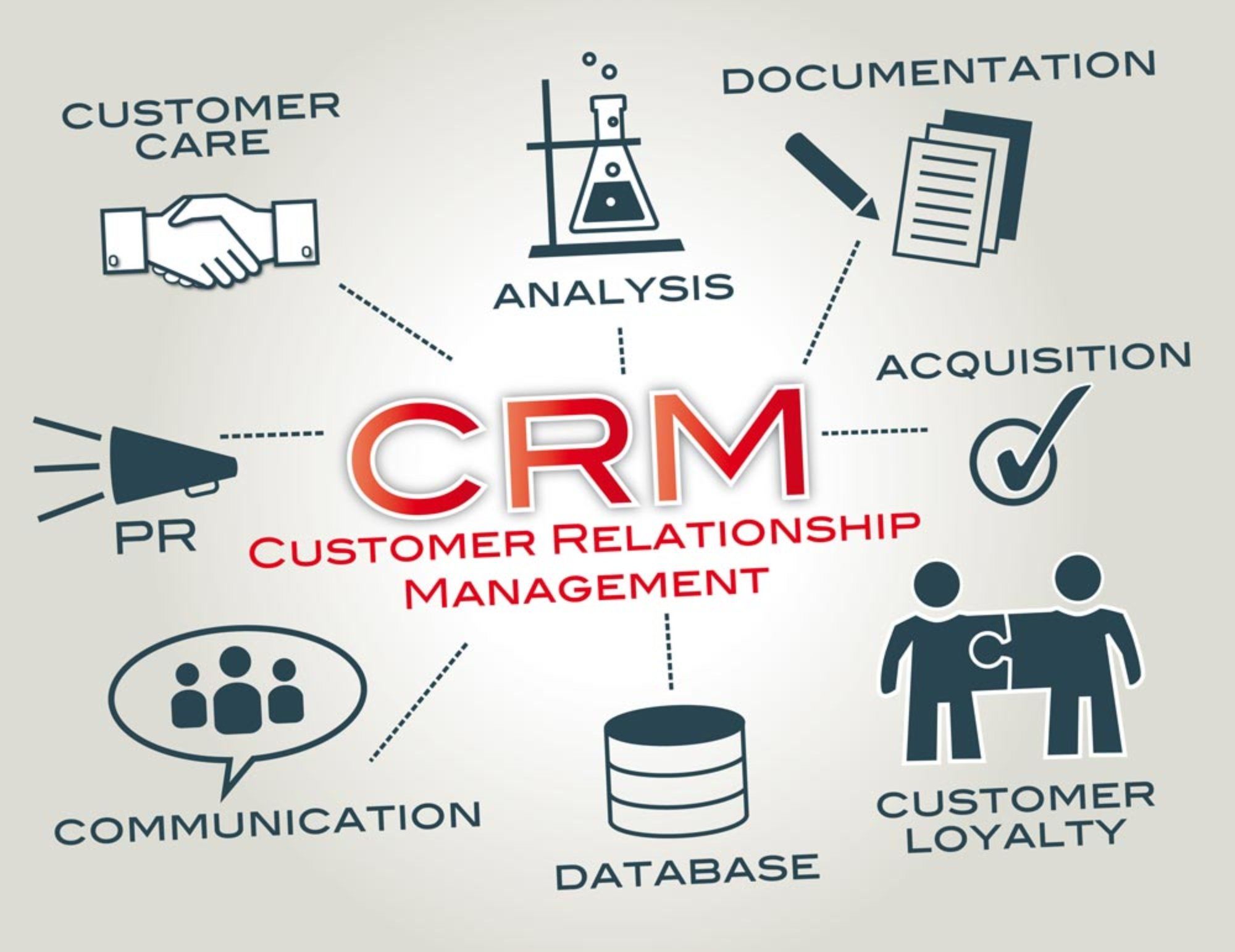
CRM is more than just software; it’s a strategy for understanding customers better, communicating effectively, and offering tailored services that enhance satisfaction and loyalty. It enables banks to manage customer interactions, analyze data, and improve overall service quality.

In India, banks are investing heavily in CRM systems to build long-term relationships with both existing and potential clients. However, the journey hasn’t been easy. For decades, many banks relied on outdated systems and traditional practices. With growing competition, shrinking profit margins, and increasingly tech-savvy customers, adopting robust CRM systems has become essential rather than optional.

The Importance of CRM in Banking

CRM empowers banks to deliver personalized experiences through customers’ preferred channels — whether it’s in-branch, online, or via mobile apps. The benefits of CRM in the banking sector are numerous, including:

  • Enhancing customer satisfaction and loyalty

  • Boosting customer revenue through targeted services

  • Identifying and acquiring new clients

  • Streamlining employee workflows and operations

  • Improving call center efficiency

  • Strengthening marketing and sales performance

  • Increasing cross-selling and up-selling opportunities

By integrating CRM tools effectively, banks can provide better services while simultaneously optimizing their internal operations.

Survey Insights on CRM Adoption in Indian Banks

A recent survey revealed several interesting findings about CRM usage and customer perceptions in Indian banking:

  • Private banks are widely recognized for offering better customer service compared to public sector banks.

  • Savings accounts remain the most popular product among customers, while ATM/debit cards are the most frequently used banking service.

  • Dissatisfied customers primarily demand improved service quality, better interest rates, and enhanced overall experience.

  • Many banks have introduced loyalty programs, offering gifts, discounts, and rewards to retain customers.

  • Employee satisfaction is regularly measured through feedback forms, suggestion boxes, and formal discussions.

  • The most common communication channels include email, letters, and phone calls.

  • Around one-third of Indian banks have fully implemented CRM systems, another third are still in progress, and the rest are in the planning stage.

CRM and Bank Performance

India’s banking network is one of the largest in the world, both in terms of reach and customer base. Studies indicate a strong correlation between CRM adoption and improved bank performance. While the initial phase of implementation may lead to higher costs, the long-term returns — such as customer retention, brand growth, and operational efficiency — far outweigh the expenses.

When executed effectively, CRM helps banks build trust, enhance customer engagement, and create consistent revenue streams. In the long run, CRM not only strengthens customer relationships but also supports the bank’s growth strategy.

Challenges and the Road Ahead

Despite its advantages, CRM implementation is not without challenges. The success of CRM depends on how well it aligns with a bank’s operational goals, data management systems, and customer service strategies. It requires a cultural shift — from viewing CRM as a technology tool to embracing it as a customer-first philosophy.

CRM is not just about serving customers better; it’s about creating mutual value. It helps banks serve customers efficiently while ensuring organizational growth and profitability.

On a broader level, CRM has contributed significantly to improving transparency, trust, and efficiency in the Indian banking system. However, continuous innovation and adaptability are crucial. As technology evolves, so must the banks — by upgrading CRM systems, leveraging data analytics, and personalizing experiences.

Conclusion

Customer Relationship Management is no longer an optional strategy for Indian banks — it’s a necessity. The future of banking lies in understanding customers deeply, anticipating their needs, and building lasting relationships through technology and trust.

As the digital revolution reshapes the financial landscape, banks that invest in smarter CRM strategies will lead the way in delivering superior customer experiences, driving loyalty, and achieving sustainable growth.

Request a Free Estimate
Enter Your Information below and we will get back to you with an estimate within few hours
0