

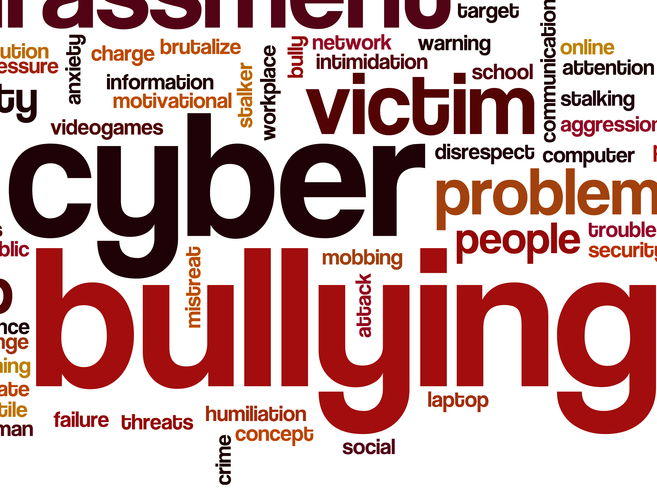
Cyberbullying – The Dark Side of the Digital World
By Author – Faizan Haider
Cyberbullying, also known as cyber harassment, is the use of technology to threaten, humiliate, or harm others. It has become increasingly common in the digital era, especially among teenagers. With social media, messaging apps, and online gaming, the virtual world has given bullies new platforms to target victims anytime, anywhere.
Harmful behavior can include spreading rumors, making threats, sharing personal information, or posting offensive comments. The effects can be devastating—victims often experience fear, frustration, anger, sadness, and even depression. Studies show that cyberbullying can be more damaging than traditional bullying because it follows victims everywhere—even into their homes through phones and computers.
What is Cyberbullying?
Cyberbullying occurs when someone uses digital communication tools to repeatedly harm another person. This can happen on social media, messaging apps, email, forums, or gaming platforms. The anonymity of the internet often emboldens bullies, making it difficult for victims to identify or stop them.
Unlike traditional bullying, cyberbullying messages and posts can spread quickly and remain online indefinitely, intensifying the victim’s trauma.
Trolling vs. Cyberbullying
Trolling is a form of online behavior where individuals intentionally provoke or offend others for amusement or attention. While some trolls may simply be seeking reactions, others cross the line into cyberbullying, where their actions cause genuine emotional harm.
Trolls and cyberbullies differ in intent—trolls may be disruptive for fun, but cyberbullies deliberately aim to cause distress.
Effects of Cyberbullying
Cyberbullying can have serious emotional and psychological effects on victims, including:
1. Feeling Overwhelmed
Victims may feel like everyone knows about the incident. The public nature of online harassment can make the situation feel unbearable.
2. Feeling Powerless
Unlike traditional bullying, cyberbullying can happen at any time and place. Victims may feel they have no safe space—even their own homes.
3. Feeling Exposed and Humiliated
Once something is shared online, it can be impossible to fully erase. Embarrassing posts, photos, or rumors can spread widely, leading to deep humiliation.
4. Feeling Suicidal
Long-term exposure to harassment can lead to suicidal thoughts. Victims may feel hopeless or believe that ending their life is the only escape.
Parents and friends should take such signs seriously, communicate regularly, and seek professional help if any behavioral changes are noticed.
Types of Cyberbullying
1. Direct Attacks
These involve direct communication with the victim, such as:
-
Instant messages or texts
-
Harassing emails
-
Offensive blog posts or comments
-
Hacked accounts or leaked photos
-
Online polls and password theft
2. Proxy Bullying
In this type, bullies use others—sometimes unknowingly—to attack the victim. They may hack into someone’s account, impersonate them, or involve groups of people in spreading hate.
This form is especially dangerous as it multiplies the emotional damage and widens the circle of involvement.
Traditional Bullying vs. Cyberbullying
| Traditional Bullying | Cyberbullying |
|---|---|
| Physical or verbal abuse such as hitting, teasing, or gossiping | Online harassment through texts, emails, or social media |
| Usually face-to-face | Often anonymous |
| Limited to school or specific places | Can happen anytime, anywhere |
| Emotional impact seen immediately | Emotional reactions are hidden but deeply felt |
Why Do People Cyberbully?
Children or teenagers may engage in cyberbullying for various reasons, including:
-
Anger or frustration
-
Revenge
-
Entertainment or boredom
-
Desire for power or control
-
To get attention or laughs
Each motive requires a different approach to address and resolve the behavior.
Consequences of Cyberbullying
The emotional and psychological effects of cyberbullying can last long after the harassment ends. Victims often suffer from:
-
Anxiety and depression
-
Stress-related disorders
-
Withdrawal from friends and activities
-
Loss of appetite or sleep disturbances
-
Mood swings and emotional distress
-
In extreme cases, suicidal tendencies
Cyberbullying not only affects victims but also damages relationships, school performance, and mental health.
How to Prevent and Address Cyberbullying
-
Educate children about responsible online behavior.
-
Encourage open communication between parents, teachers, and students.
-
Report or block bullies on social media platforms.
-
Avoid responding to hate messages—it often escalates the situation.
-
Collect evidence of the harassment (screenshots, messages).
-
Seek legal or professional help in severe cases.
Schools, communities, and online platforms must work together to create safer digital spaces.
Possible Solutions
The research highlights an urgent need to stop cyberbullying, especially among teenagers. Many victims struggle to express their pain or seek help.
Two potential solutions include:
-
Creating awareness websites where users can safely report or document bullying incidents to trace and stop offenders.
-
Developing positivity-based communities that recognize and promote supportive online behavior.
By celebrating kindness and empathy, we can inspire both victims and bullies to change.
Conclusion
Cyberbullying is a growing problem that affects millions of people worldwide. It can lead to serious emotional damage, social isolation, and even loss of life. Teenagers, particularly girls, are more often victims—and sometimes perpetrators—of online bullying.
We all share the responsibility to make the digital world safer. Through awareness, empathy, and education, we can prevent cyberbullying and ensure that technology remains a tool for connection, not harm.
Reference – Jain Software