

Automation – The Future of Intelligent Systems
By Author – Faizan Haider
Automation is transforming how we live and work. It refers to the technology that enables processes and systems to operate with minimal or no human intervention. From factories and offices to software systems, automation has become a cornerstone of efficiency, accuracy, and innovation in the modern world.
What is Automation?
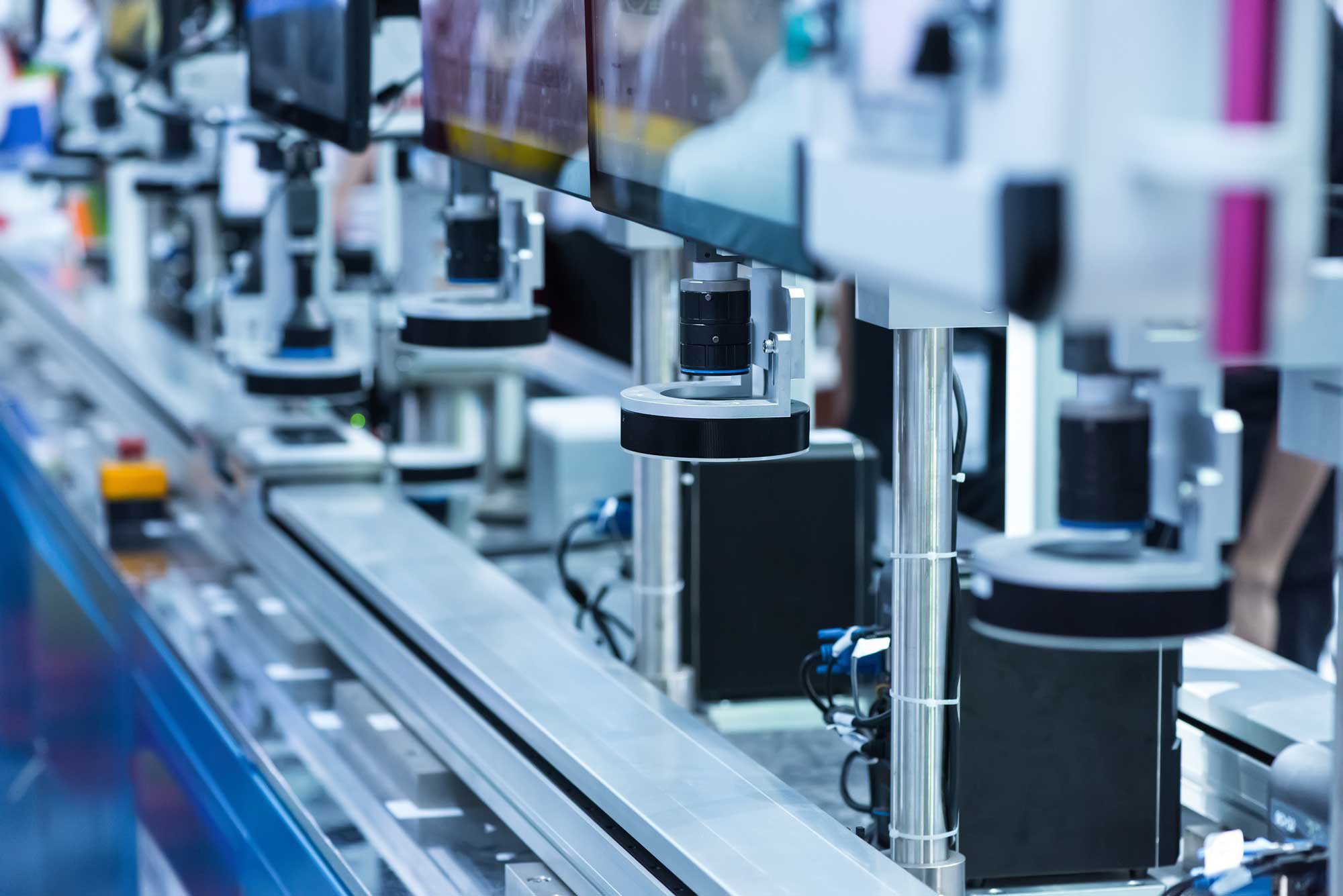
Automation, or automatic control, is the use of control systems to manage machinery, production processes, and even complex networks with little human involvement. It can be achieved through a combination of mechanical, hydraulic, pneumatic, electrical, electronic, and computer-based systems.
Modern industries, aircraft, and ships rely heavily on automation to enhance safety, reduce human error, and increase productivity. The overall goal is to streamline operations while maintaining precision and consistency.
Importance of Industrial Automation and Control Systems
Industrial automation involves using advanced machines, robotics, and software to perform tasks that were once done manually. It has revolutionized manufacturing by reducing costs, improving quality, and increasing production speed.
Automation allows industries to:
-
Minimize human errors
-
Ensure consistent product quality
-
Reduce production time
-
Optimize resource utilization
It represents a major leap in technological progress, helping industries achieve more in less time.
Office Automation
Office automation integrates computers, software, and digital tools to manage day-to-day office tasks. It includes data storage, communication, document creation, and reporting—all performed digitally.
This leads to better coordination, reduced paperwork, and faster decision-making processes in both small and large organizations.
Purpose of Automation
The ultimate purpose of automation is to enhance quality, productivity, and safety. In some cases, automation helps achieve results that are nearly impossible through manual efforts—such as extreme precision manufacturing or operating in dangerous environments.
Automation focuses on:
-
Improving process quality
-
Reducing errors and waste
-
Increasing output speed
Automation Testing
In the software industry, automation plays a critical role in testing. Automated testing tools execute test cases, report results, and compare outcomes automatically. This saves time and ensures greater consistency compared to manual testing.
Common Automation Testing Tools:
-
Selenium
-
Telerik Test Studio
-
Robotium
-
TestComplete
-
QTP (UFT)
-
SoapUI
-
Visual Studio Test Professional
These tools allow repeated, accurate testing—anytime, anywhere—making them essential for quality software development.
Automation in the Software Industry
Software companies are increasingly using software robots to automate repetitive IT tasks, manage applications, and handle back-office services.
One notable example is Automation Anywhere, a leader in Robotic Process Automation (RPA). Their tools integrate AI, natural language processing, and data handling to automate complex business processes efficiently.
Need for Automation
Automation ensures agility and adaptability in industries that need rapid responses to changes. It allows for:
-
Faster code deployment
-
Continuous testing and integration
-
Reduced human dependency
Automation simplifies operations while improving precision and performance.
Automation in Computers
In computing, automation involves operating systems and devices that perform tasks automatically, without constant human input. This could include auto-updates, file synchronization, or even complex data analysis processes.
Robotic Process Automation (RPA)
RPA is the technology that enables software robots to emulate human actions in digital environments. It helps automate data entry, transaction processing, and system communication—boosting efficiency across industries.
RPA benefits include:
-
Higher accuracy
-
Lower operational costs
-
Better compliance
-
Scalable operations
Automation in Music Production
In music production, automation allows engineers to record and replay adjustments to sound levels, effects, and panning during the editing process. This ensures consistency and creative flexibility during post-production.
Automation in Accounting
Accounting automation systems collect, store, and process financial data with minimal human involvement. This reduces manual effort and errors while providing real-time insights for better decision-making.
Advantages of Automation
Automation provides numerous benefits that make it indispensable across industries:
-
Increased productivity and output
-
Enhanced product quality and accuracy
-
Greater process consistency
-
Reduced human labor costs
-
Improved safety and reliability
-
Capability to perform complex or dangerous tasks
-
Time savings and operational efficiency
-
Opportunities for skilled jobs in automation design and maintenance
Disadvantages of Automation
Despite its advantages, automation comes with a few challenges:
-
High initial installation cost
-
Job displacement for manual workers
-
Risk of system failures or security breaches
-
Environmental concerns due to over-industrialization
However, when managed responsibly, automation brings far more benefits than drawbacks.
Types of Test Automation Frameworks
-
Linear Scripting Framework
-
Modular Testing Framework
-
Data-Driven Testing Framework
-
Keyword-Driven Testing Framework
-
Hybrid Testing Framework
-
Behavior-Driven Development Framework
These frameworks provide structure and efficiency to software testing processes, ensuring consistency and maintainability.
Cognitive Automation
Cognitive automation represents the next generation of automation. It integrates AI, machine learning, and natural language processing to handle complex, data-driven tasks intelligently.
Examples include:
-
Data extraction and document analysis
-
Contract management
-
Natural language-based search
-
Onboarding processes
-
Report generation
According to Deloitte, cognitive automation enables organizations to replicate human judgment at scale—bringing speed, accuracy, and intelligence to routine workflows.
Conclusion
Automation continues to shape the future of industries by enhancing speed, accuracy, and efficiency. From industrial robots to intelligent software systems, automation reduces human effort while improving results.
As technologies evolve—especially with the integration of artificial intelligence and machine learning—automation is not just the future; it’s the foundation of the digital revolution.
Reference – Jain Software