

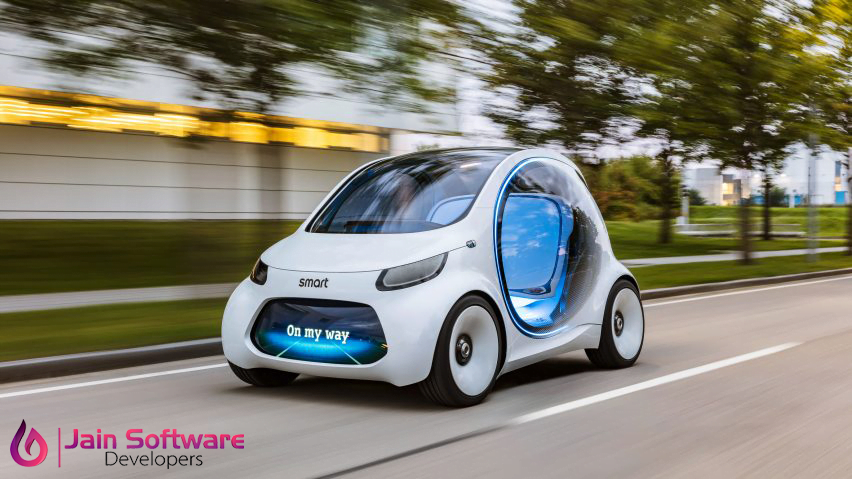
Self-driving cars, also known as autonomous vehicles, represent one of the most revolutionary advancements in modern transportation. These vehicles are designed to navigate and operate without direct human input, using a combination of sensors, cameras, radar, and artificial intelligence (AI). The goal of self-driving technology is to make travel safer, more efficient, and more accessible.
Autonomous cars rely on advanced software that processes real-time data from their surroundings to make driving decisions such as steering, braking, and acceleration. They can identify road signs, pedestrians, other vehicles, and obstacles, ensuring smooth and safe navigation even in complex environments.
Companies like Tesla, Google (Waymo), and Uber have made significant progress in developing and testing these vehicles, aiming for a future where accidents caused by human error are drastically reduced.
Beyond safety, self-driving cars could change how we view commuting and vehicle ownership. They can potentially reduce traffic congestion, improve fuel efficiency, and offer mobility solutions for the elderly and disabled.
While challenges remain—such as legal regulations, ethical decision-making in emergencies, and cybersecurity risks—the progress so far suggests that autonomous driving is no longer just science fiction. It’s a glimpse into the future of smart, AI-powered transportation.