Warning: Undefined array key "post_type" in /home/jainsoftware/public_html/wp-content/plugins/bravepopup-pro/lib/render.php on line 316

Warning: Undefined array key "post_type" in /home/jainsoftware/public_html/wp-content/plugins/bravepopup-pro/lib/render.php on line 316
 

July 2016

UAV gone levels over technologies .

Understanding Drones: The Future of Aerial Technology

A drone, technically known as an Unmanned Aerial Vehicle (UAV) or Unmanned Aircraft System (UAS), is a powered aerial vehicle that does not carry a human pilot. Instead, it relies on aerodynamic forces for lift and can be controlled remotely by a human operator or operate autonomously through onboard computers.

Drones can be either expendable or recoverable and are capable of carrying both lethal and non-lethal payloads, depending on their purpose and design.


What Are Drones and How Do They Work?

In simple terms, a drone is an aircraft that flies without a pilot onboard. The level of control can vary — from full manual operation to partial or complete autonomy.

The most common consumer drones available today are multirotors, especially quadcopters, which use four rotors for lift and stability. These drones are lightweight, easy to maneuver, and suitable for applications ranging from photography and videography to delivery and surveillance.


Applications of Drone Technology

Modern drones are transforming multiple industries and redefining how tasks are carried out. Here are a few key applications:

  • Delivery Services: Many multinational companies are testing or implementing drone-based delivery systems to transport packages faster and reduce road congestion.

  • Customer Service and Maintenance: Drones are increasingly being used to inspect buildings, power lines, and wind turbines, ensuring safety and efficiency.

  • Media and Journalism: News agencies use drones to capture aerial footage for reporting and documentaries.

  • Disaster Response and Agriculture: Drones assist in search-and-rescue operations, crop monitoring, and environmental data collection.


Challenges and Concerns

Despite their potential, drones come with several challenges and limitations.

  • Privacy Issues: The use of cameras and sensors raises concerns about public privacy and surveillance.

  • Technical Limitations: Factors such as short battery life, adverse weather conditions, and unreliable GPS data can affect drone performance.

  • Safety Risks: Drones flying over populated areas pose risks if they malfunction or collide with other aircraft.

  • Security Threats: There is always the danger of drones being hacked, stolen, or misused for illegal activities.

  • Regulatory Barriers: Airspace laws and insurance regulations are still evolving to safely accommodate drone operations.


Balancing Risks and Benefits

While drones do present certain risks, their advantages are significant. They can reduce traffic congestion, cut pollution, and provide faster, more efficient services during peak seasons or emergencies.

As technology advances, new safety systems, intelligent flight controls, and stricter regulations are making drone use safer and more reliable. In the near future, drones may become an integral part of our daily lives — from delivering packages to monitoring infrastructure and aiding emergency responders.


Conclusion

Drones represent one of the most exciting innovations in modern aviation. Despite challenges around privacy, safety, and regulation, their potential to transform industries and improve human efficiency is undeniable. With ongoing advancements, drones are set to become smarter, safer, and even more capable — truly shaping the future of connected, intelligent skies.
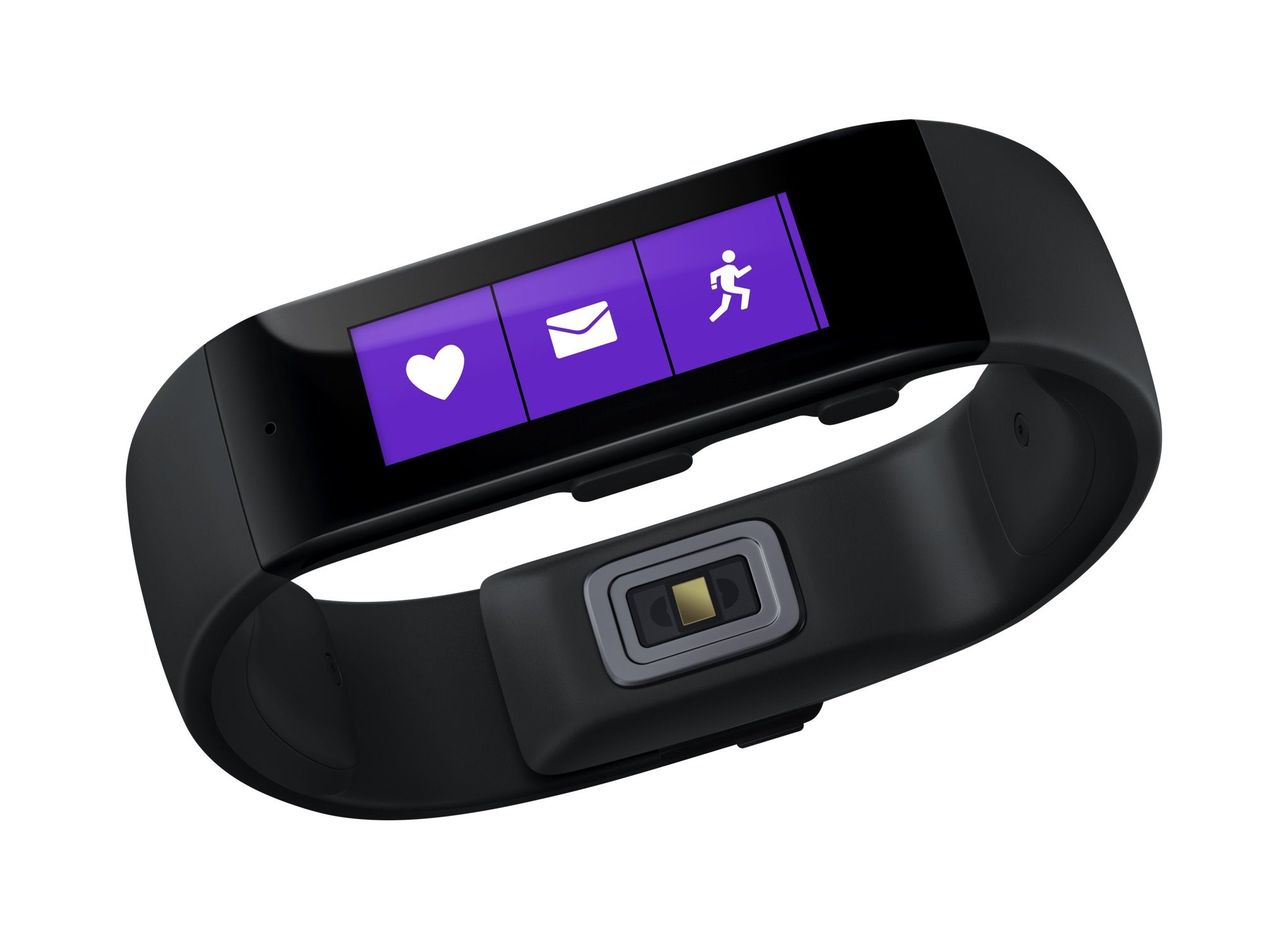
Fitness Bands

microsoft-band-2.jpg (2040×1479)

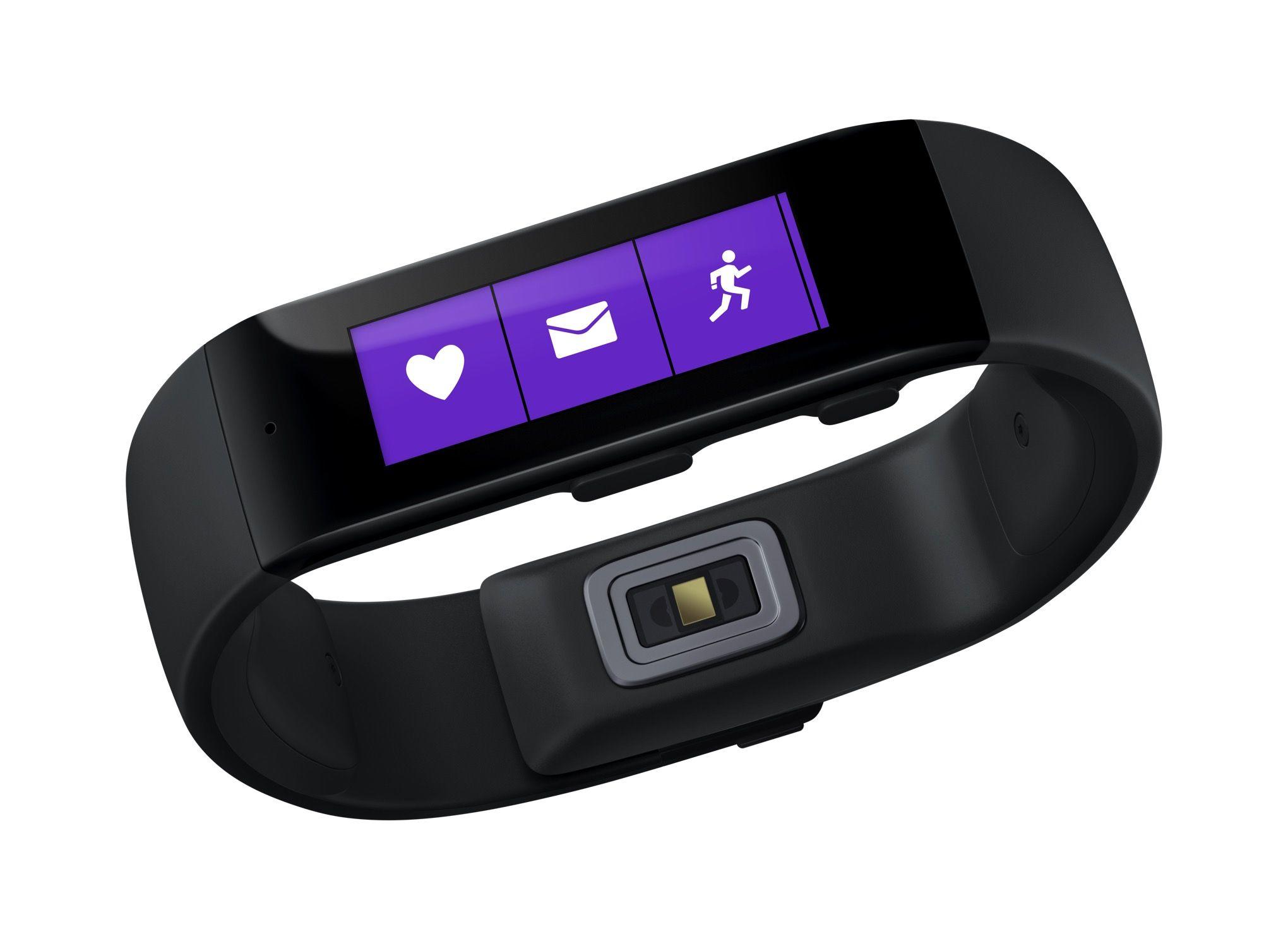
After smart phones there is a new trend catching on in India for fitness bands. Fitness bands is a wrist-worn device that can detect some combination of walking steps, running distance, heart rate, sleep patterns and swimming laps. Fitness bands interact via Bluetooth with an app in a mobile device that configures the device and receives the wearer’s activity data. Most smartwatches support some number of fitness activities via a health app. However, just as the smartphone combined phone, media player, camera and a raft of other devices into one, there may be little difference between a smartwatch and a fitness tracker in the future.

Tests conducted on 22 healthy volunteers (even split of males and females) completing a variety of activities ` ranging from running, cycling and walking, to seated and lying rest ` for a period of approximately one hour there are limits to how much trust we can place in such devices to monitor energy balance and, therefore, to serve as weight loss aids. The measurements of the wrist-worn devices were compared to electrocardiography readings every 15 seconds and against a portable gas analysis system which measured the number of calories burnt. As per manufacturer’s instructions, each of the wrist-worn devices was individualised to reflect the users age, gender, height and weight. Researchers found that wrist-worn fitness monitors underestimated energy expenditure with variances of more than 40 percent.


3 Dimensional Printing – The Next Industrial Revolution

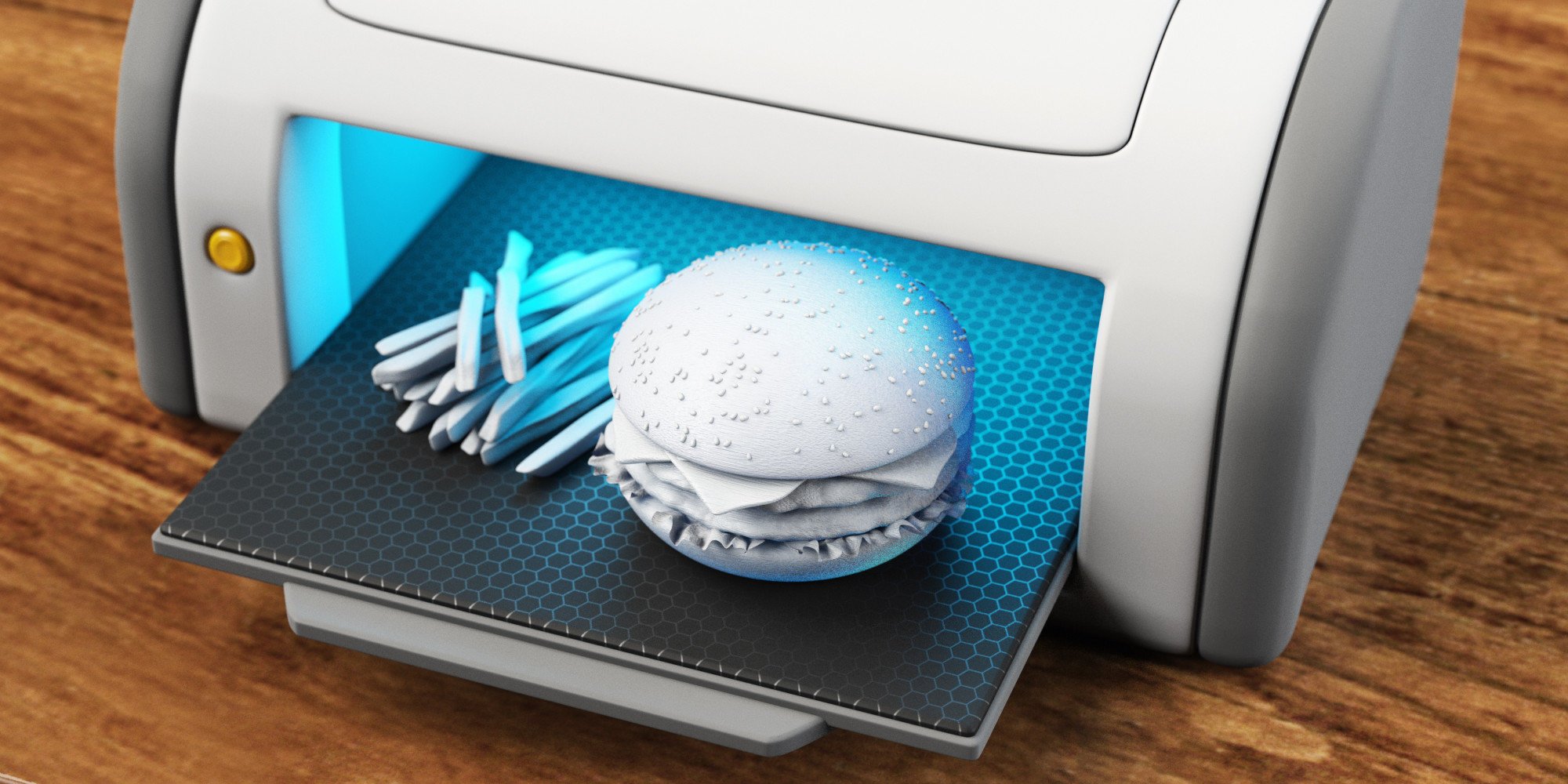
3D printing or additive manufacturing is a process of making three dimensional solid objects from a digital file. Prepare a 3D model before it is ready to be 3D printed. This is what they call slicing. The technology was first invented in the 1980s, and since that time has been used for rapid prototyping (RP). However, in the last few years, 3D printing has additionally started to evolve into a next-generation manufacturing technology that has the potential to allow the local, on-demand production of final products. It is possible to 3D print in hundreds of different plastic, metal and ceramic materials, with pioneers now 3D printing molds, aerospace components, jewelry, works of art, toys and medical devices.The process of creating cell patterns in a confined space using 3D printing technologies, where cell function and viability are preserved within the printed construct is called bioprinting.

3D-printing.jpg (2000×1000)

Bioprinting can be defined as the use of computer-aided transfer processes for patterning and assembling living and non-living materials with a prescribed 2D or 3D organization in order to produce bio-engineered structures serving in regenerative medicine, pharmacokinetic and basic cell biology studies.


From my personal experience I can say that, this is the future of human organ replacement since my father is aged 80 years and since his denture has become loose. Dentists say that even the standard procedures will not be helpful in creating a denture which fits him perfectly. Here 3D printing when in its advanced stage implemented in India can help him.


Mohan P. | Assistant General Manager

Jain Software Foundation .

IoT : The Things Is Far Bigger Than Anyone Expects

819

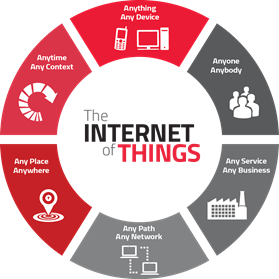
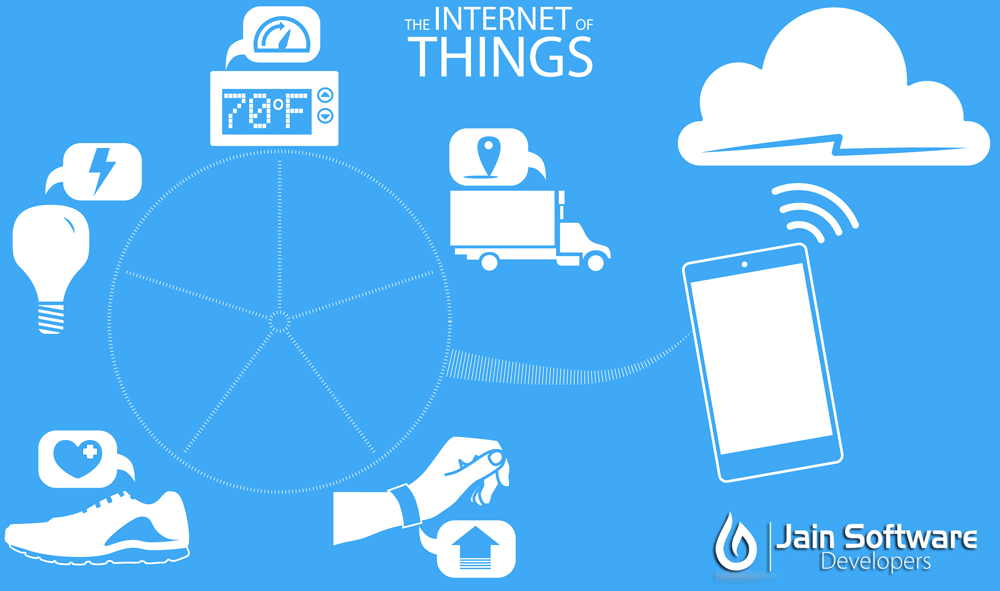
The Internet of Things (IoT) is the network of physical objects—devices, vehicles, buildings and other items—embedded with electronics, software, sensors, and network connectivity that enables these objects to collect and exchange data.


Basically with a internet connection you can control your car,home appliances eith built-in sensors from anywhere.Dutch Telecommunication company KPN have announced that by using LoRa(long range) network it has implemented IOT all over the country. Remotely monitor and manage your home and cut down on your monthly bills and resource usage. Easily track down those lost keys or cell phone in your house using Bluetooth and other wireless technology devices like the cobra tag.


Cobra Tag uses Bluetooth wireless technology to create a two-way separation alarm between your smartphone and your valuables. When that connection is broken, both your phone and the Cobra Tag device on your essential start ringing to let you know something is being left behind.


Range of add-on sensors can track if a water pipe has burst in your basement, if there is motion inside your home while you are away, and have it automatically send you a notification by email or text message when it happens.Automatically turn off the lights when no one is in a room.This concept has been applied to some of the premium malls in India in metro cities.

Notifies authorities when a fire extinguisher is blocked, missing from its designated location or when its pressure falls below safe operating levels. Alerts can be sent directly through an instant email, phone call. Drifters (Outfitted with cell communication, GPS, temperature, and salinity sensors) can be quickly deployed in response to unanticipated events such as floods to track the movement of water, contaminants, and other conditions in waterways.

Help protect wildlife by using system consisting of a tracking collar that utilizes a GPS/GSM module to locate and track the lions and communicate their exact positions to the authorities. With efficiencent gains for systems of just 1% could result in 15 year savings of $30 billion worth of jet fuel for the airline industry.

Monitoring of parking spaces availability in the city. Monitoring of vehicles and pedestrian levels to optimize driving and walking routes.Intelligent Waste Management by detection of rubbish levels in containers to optimize the trash collection routes. Earthquake Early Detection by distributed control in specific places of tremors. Intelligent Shopping Applications by getting advices in the point of sale according to customer habits, preferences, presence of allergic components for them or expiring dates.

Request a Free Estimate
Enter Your Information below and we will get back to you with an estimate within few hours
0