Marketing

Impact of digital marketing


digital marketing melbourne 2 by merchbaron daxg1l8By the time smartphones and tabs are introduced digital marketing has touched new heights in this digital era. This era has almost everybody with a social media account and the ones without such an account are literally looked down upon for business purposes. Digital marketing is defined by the use of numerous digital tactics and channels to connect with customers where they spend much of their time: online. So, the query that arises is of studying the consumer behavior in digital marketing.  Digital marketing has created a revolution in the virtual world of marketing. Here the traditional method of marketing doesn’t apply. The client doesn’t feel neglected. Digital marketing focuses on connecting with the target audience. The client feels as he/she is a part of it. We all know that digital marketing is impacting the way we communicate with our consumers. From Facebook ads to Google/Bing Pay per Click to mobile marketing, digital media is taking a bigger and bigger chunk of the marketing budget each year. Let’s look at a few reasons why digital marketing is becoming such an integral part of the marketing pie.


Companies have for decades built up their business around the traditional brick-and-mortar channel. The rise of the Internet and the surging popularity of online shopping have offered rapid growth in e-commerce and embodied the emerging click-and-mortar (e.g. Target.com) or solely online business model (e.g. Amazon.com).

Digital Marketing Plan for Online BusinessModern media is no longer confined to a television or radio show, newspaper or advertisement. Instead, today’s media — from text to video and sound — can be saved and shared electronically, using everything from desktop computers to small mobile devices. This electronic dissemination of media has had a powerful impact on the way people communicate for personal reasons, school, and even business.

In fact, “constant” internet usage among adults increased by 5% in just the last three years, according to Pew Research. And although we say it a lot, the way people shop and buy really has changed along with it — meaning offline marketing isn’t as effective as it used to be.

Inbound Marketing

Inbound marketing refers to the “full-funnel” approach to attracting, engaging, and delighting customers using online content. You can use every digital marketing tactic listed until today throughout an inbound marketing strategy.

Digital marketers are in charge of driving brand awareness and lead generation through all the digital channels — both free and paid — that are at a company’s disposal. These channels include social media, the company’s own website, search engine rankings, email, display advertising, and the company’s blog. The job is to drive the target audience to the particular website and promote the landing page. Digital marketers are responsible for the promotion of a product or service of the company. Their Job involves SEO for a better ranking in the search engine. All these factor matters for a tactical promotion of a business.
digimarkseo service pune 1

Reaching more potential customers

Digital media means businesses can reach more customers than ever before. A simple promotion featuring a giveaway or a freebie can earn business hundreds or thousands of Facebook fans and email and text message subscribers, meaning that the business can send a message to these consumers with just a touch of a button. However, digital media also means that those consumers can reach back. Through negative comments to your Facebook page and other social networking sites, like Twitter and your blog, customers can use digital media to take a complaint that would have otherwise been between the two of you worldwide. Creating the reach for the potential customer is quite important. After all, we all want to influence our target audience. We can influence them with our post and content. We can keep them updated with content and posts. This is one of the most important factors for digital marketing in today’s world.
mercadotecnia digital 1920x1080Leading technological edge

Technology is being updated in every single second. Using digital media means using new technology both to create and support the media. New technology can be an asset to your business. When you adopt smartphones and laptops in order to use digital media, you also can positively influence other areas of your business. For example, such mobile technology makes communication among employees much easier. Technology can create the leading edge over your competition. With the advancement in technology, you can go ahead of your competitive market.  So keep yourself updated with technology.


Curate your content to generate potential lead


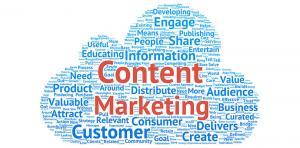
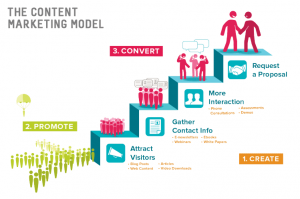
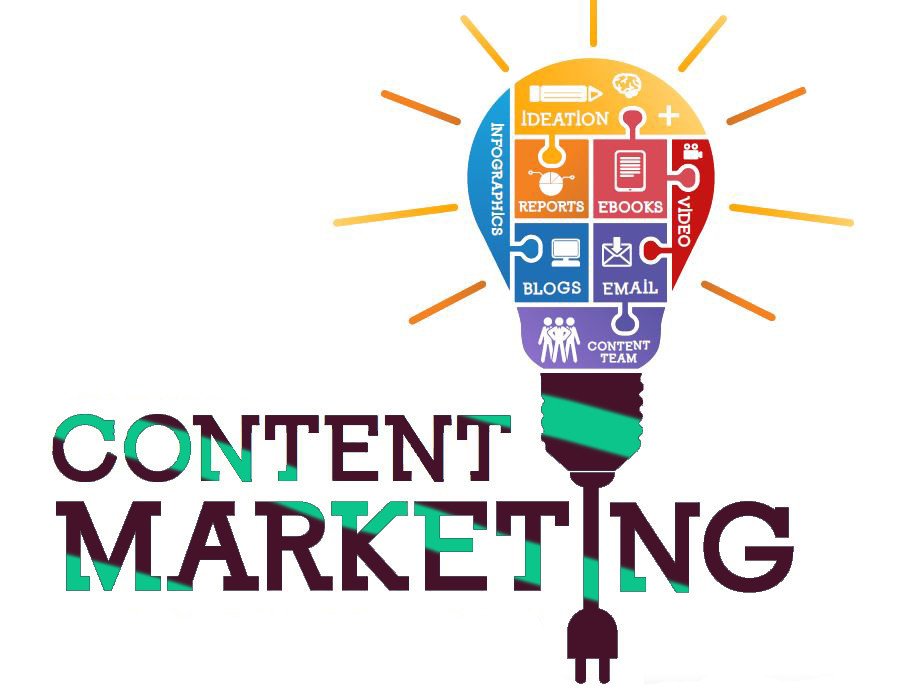
ContentMarketing810Before you create a single piece of content, make sure that you have a deep understanding of your ideal customer. In modern terms of SEO, there is a huge demand for high-value content or lead generation. No matter what your business model is, content is still king, thus content marketing must be a primary goal. Content is the foundation of your lead generation and leads nurturing efforts. Marketers have come to rely on content to engage prospects and customers in today’s buyer landscape, but to do so, your content must educate, inspire, and beg to be shared. It should help leads to overcome challenges and achieve their aspirations. If you are able to do that, leads will flock to you, and you’ll gain their trust. Know your audience and give them what they need. An effective content marketing strategy helps enforce a strong baseline for lead analysis since every piece of content can be measured. That best practices how-to guide generated 10% of your digital leads for the year? Great—write another one! Your long-form blog on do’s and don’ts was you’re most viewed of the year? Awesome—share it on social media and write a follow-up!
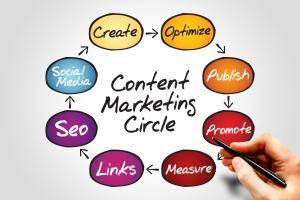
So the first step is to know the need of your target audience. You must be aware of what people a searching these days, what they like to read. How can you appeal through your content? How can you influence them? How can you create the value worth of their time?

A few years back a research revealed that many B2B marketers have documented plans to increase their lead generation budgets by up to 50% the following year. That investment is still on the rise, overall.

contain egainzTraffic Generating Content


Traffic generating content is important for getting eyeballs on your website and growing your audience. You can’t generate leads without traffic.


Here are some of the best types of content for traffic generation. Pick a few from this list to include in your content plan.


Blog posts – This content type is a basic requirement for any content plan. Your blog is like your “hub”: all other types of content should drive traffic to your blog.

Social media posts – These posts will help to drive traffic to your blog.

Videos – Don’t forget that YouTube is the second largest search engine. This is a great opportunity to drive organic traffic to your blog for years to come.

Podcasts – You can encourage your guests to share their episode with their audience, and grow your own in the process.

Infographics – You can include these in blog posts to encourage social sharing.

Photos – Depending on your business, photos may be a type of content that you wish to use for growing your audience.

809a64 a9054ab2865144fe83697c40edd64a79After generating traffic you need to do analyses of the potential leads. It is the filtering process of the traffic. The Lead generating content is content that you package into lead magnets: valuable resources that you give away for free in exchange for someone’s email address.
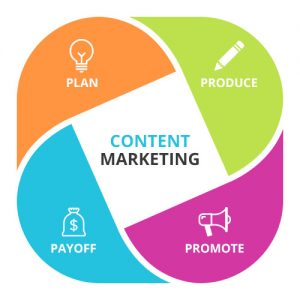
You cannot just charge money from your client money from the beginning. You have to win their trust. Lead magnets are non-negotiable for generating leads. People don’t want to give their email address out to just anybody, so you have to give them a good incentive.

Now the question is what you can afford to give away for free?

Useful resources – These can be checklists of tools or lists of resources.

E-Books & Free Reports – these offer something educational.

Webinars – webinars work really well as lead magnets because of their high perceived value.

Discounts & Coupons – Perfect if you have an e-Commerce business. All you have to do is offer a coupon code in exchange for an email address.

Free Trial – If you sell software, you could offer a free trial download or a lite version.

Quizzes – You could offer a free quiz, but for your users to get their results they’ll have to give you their email address.

Mini-Course – This could be a series of emails or a series of videos explaining how to do something.

Free Challenge – If you help people to overcome obstacles or achieve goals, you could offer a free challenge to accomplish one thing over a set period of time.

Now the question arises that what’s the platform?

social media

Organic Platform: Organic Platform doesn’t involve any paid advertising, so they are really great for a low budget. However, you can’t expect to get organic traffic right off the bat. Organic traffic takes a bit of time, or even a few months, to get going.

Let’s have a look at some organic platforms:

  • Search engines (Google, Bing, Yahoo, etc.)
  • YouTube
  • Facebook
  • Twitter
  • LinkedIn
  • Pinterest
  • Google Plus+
  • Tumblr
  • Instagram


content marketing imgPaid Platform: As the name suggests you have to spend money on this platform.  You will get traffic a lot quicker than organic platforms. Promotion is lot more-faster in this platform.

Here are the main paid distributions platforms that you’ll want to consider.

  • Social media ads
  • Google AdWords
  • Native ads (ads that appear on other platforms)
  • Banner Ads
  • Content discovery networks (ads for your blog posts that appear in the “around the web” and “recommended stories” sections of large online publications)

I will highly recommend social media ads on Facebook. It is the largest social network in the world. You will get the maximum reach. Facebook is having the maximum number of the user than any other social media. So in order to generate the maximum lead, this will be the best platform.

Map your customer’s needs and curate your content and share it. That’s all it takes to generate potential leads. Be patient and keep yourself updated with the trend.


Know how to be a brand? How can you gain popularity?


brand1

What is a brand?

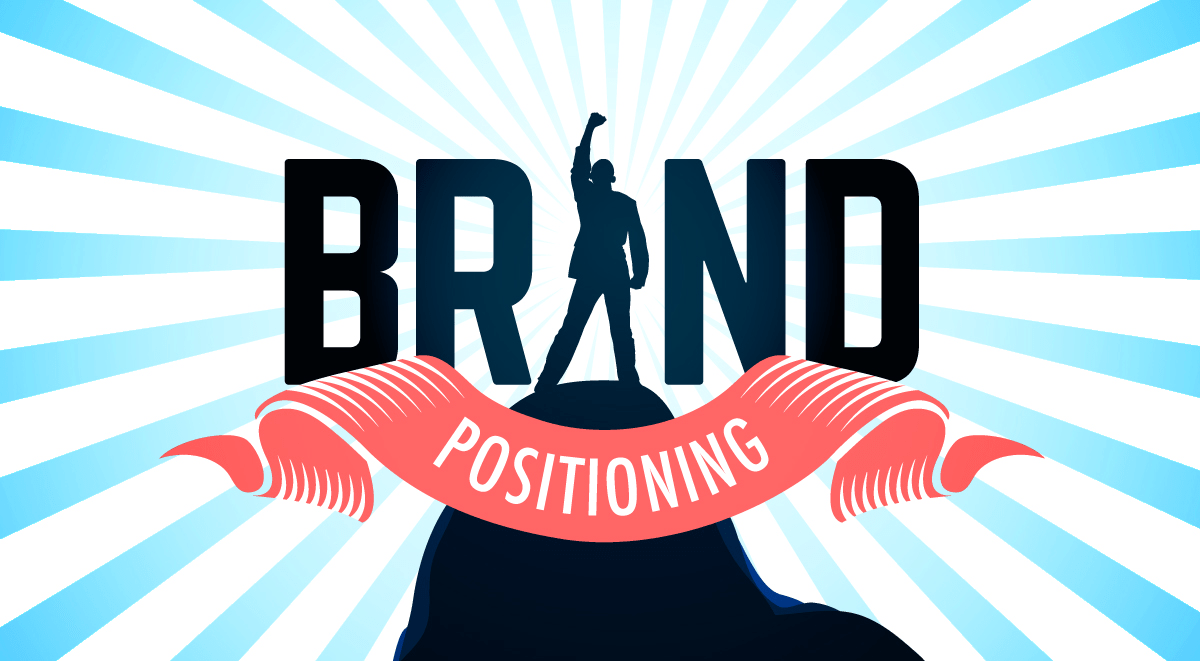
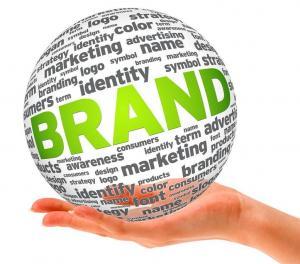
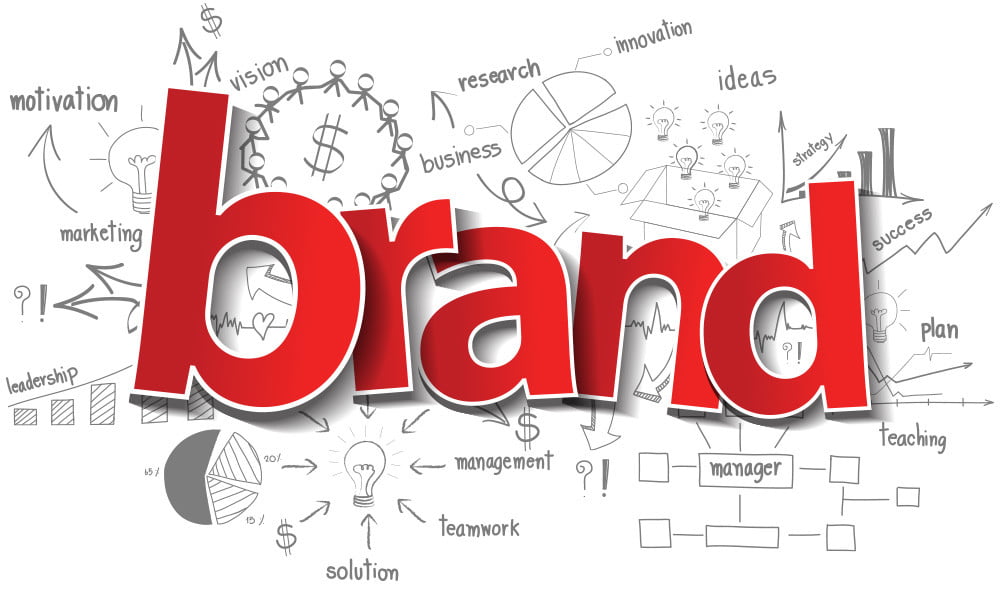
The Brand is the perception that clients or customers have of your business and the voice that defines your organization as a whole—to recognize the value potential of your company. A brand is not just a logo or a company name. It is something that people say about you when you are not there. The rise of Millennial, social media and thought-leadership are pushing brands to think differently and engage with their audiences in new ways. In simple terms, if you want to succeed, then you need to learn how to create a brand that becomes your customer’s best friend. A brand is a culmination of all the intangible feelings and thoughts that accumulate in a customer’s mind when they think about your business. Brand strategies are your way of altering those perceptions until they suit your company goals. In order to get popular as a brand, you must deliver what you promise to your audience. Generate interest, buzz, and viral spread. Increase brand value – journalistic style. Informative information and an angle or a different take on something, infographics links, controversial, topical, facts, quotations. Generate leads through your press release. Free giveaway, eye-catching,
and more sales – more lay sales letter. Present a big problem your audience face, provide a solution, create urgency or scarcity – selling out fast, limited stock etc. However, the best companies have a drive that goes beyond those obvious elements and separates them from their competitors. Branding your business online will help you connect with your potential customers in the digital spaces where they spend time. A well-developed brand will stick with consumers. Even if they’re not ready to buy from you right now, they’ll remember you when they need your products or services.

brand2Let’s explore some Key elements to create a Brand:
  • Defining Goals– Generate interest, buzz, viral spread. Increase brand value – journalistic style. Informative information and angle or a different take on something, infographics links, controversial, topical, facts, quotations. Generate leads through your press release. Free giveaway, eye-catching,
    More sales – more lie sales letter. Present a big problem your audience face, provide a solution, create urgency or scarcity – selling out fast, limited stock etc.
  • Being Consistent: Firstly you have to decide what is driving your brand forward. Consistency is easier to achieve than you might think. It simply means assessing everything you do and asking yourself whether it fits with the image you’re presenting to the world. Creating brand guidelines can simply boost the chances of improving your consistency. Keep that in mind that consistency plays a vital role in your brand. Consistency helps your audience quickly recognize and identify with your brand, while inconsistency can confuse your audience and cause them to see your business as unprofessional.
  • Emotional brand attachment: If your brand appeals to the need to be a part of something that’s larger than ourselves. It will automatically draw sentimental values. This makes your brand powerful. Try to use a clean design with simplicity and a desire to create an innovative revolution. You can enhance engagement and develop a more sustainable relationship for the long term.
  • Engagement with your Employees: The workforce is also very important in creating your brand image. Whether you’re investing in a new type of social media branding, or you’re building a brand from scratch, you need the insights and buy-in of your customers to be successful. The employees are the group that is often overlooked. This group is responsible for everything. Employee advocacy reinforces the company culture and values that you rave about in your press releases and through your website “about” page, showing how concepts can translate into real behaviors and campaigns.

Brand3The brand elements are the senses of a brand. It helps to define a brand. It consists of the core values that a brand stands for. One great way to improve your customer retention is to reward customers for every purchase. Everyone likes to get something extra without paying more money. Once you start building an audience online, encourage your followers to share brand content on your website and social media. User-generated content, which can be anything from product reviews to unboxing videos, builds your brand’s authenticity and provides social proof. When potential customers see real people using and enjoying your product, their confidence in your brand will increase. This strategy can make your brand popular. Give them referral codes. This will even create more visits to
your website. This will even make your brand more popular.

Adopting a reward plan will help you become known as a company that truly cares about its customers. Additionally, if your company offers a type of reward plan that none of your competitors have, you can use it as a unique selling proposition. You can get a leading edge over your competitors. Be a trendsetter. Be precise to your goal. Change the course of the tide.


Why do we need a branding strategy?


For long-term planning and development of a successful brand in order to reach the target audience and make a global significance, branding strategy is important. A well-defined strategy can help the growth of a business in the longer run. A branding strategy is said to be successful if it affects all the aspects of business and is directly connected to consumer needs, emotions and competition.

br2Your brand strategy defines what you stand for, a promise you make, and the personality you convey. And while it includes your logo, color palette, and slogan, those are only creative elements that convey your brand. Branding allows a business to differentiate its products and services from those of its competitors. It tells them what they can expect from your products and services, and it differentiates your offering from that of your competitors. Your brand is derived from who you are, who you want to be and who people perceive you to be. This is how your brand’s purpose is defined. It plays a vital role.
Defining your brand is like a journey of business self-discovery. It can be difficult, time-consuming and uncomfortable.

To understand brand strategy, one must first understand branding.

Think about successful consumer brands like Disney, Tiffany or Starbucks. You probably know what each brand represents. Now imagine that you’re competing against one of these companies. If you want to capture significant market share, start with a strong brand strategy or you may not get far.

Branding should occur before a marketing strategy ever begins. Branding is not the act of pushing out a message. On the contrary, it is the pulling in of a message. It is listening to the consumer and using that information to build a brand strategy. Branding is what drives marketing. Branding is strategic in nature whereas on the on the other hand marketing is purely tactical. Branding significantly enhances the brand’s market performance and profitability by improving name recognition, building credibility and trust, increasing advertising effectiveness and inspiring employees. The foundation of your brand is your logo. Your website, packaging and promotional materials–all of which should integrate your logo–communicate your brand.

br3A company’s brand strategy must be based on the goals of the company. Without the brand strategy, the company will eventually fail. Brand strategy is the blueprint that explains who, how, what, and when of how a company plans on communicating their product. The stronger the brand strategy is the higher brand equity that could result.
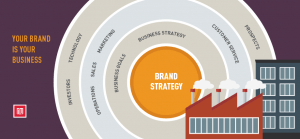

There are many different types of brand strategies that vary based on target audiences, marketing campaigns, and budgets. A well-received brand strategy has the potential to build brand equity and solidify its place as an established brand. Some companies employ multiple strategies to increase the odds of a successful campaign. Your distribution channels are also part of your brand strategy. And what you communicate visually and verbally is part of your brand strategy, too. An optimized social media presence can boost your brand. The best thing about social media is that it is not limited to any nation. You can promote your brand worldwide.

The brand message should be refined to make sure it is aligned with the mission and values of the brand. A clear brand message is a key to bridge the gap between brand strategy and brand messaging. The added value intrinsic to brand equity frequently comes in the form of perceived quality or emotional attachment.

Consistency plays a crucial role. Once a marketing team is able to define its brand attributes, it is essential those attributes maintain consistency throughout the branding process. Everything should be about the brand. You must define how your brand should be remembered.

br4

“No Brand” Branding

No brand products are often simple and generic in design. A minimalist approach can speak tons of volumes. These brands are outsourced to the public for brand creation, which allows customers the chance to be involved in the naming process, and effectively drives up personal interest in a product. It is also called crowdsourcing.

“Your future depends on many things most importantly you”

Customers won’t return to you–or refer you to someone else–if you don’t deliver on your brand promise.

Developing a brand that has a loyal customer base is a wonderful thing. But your brand cannot just sit on its laurels. It is time to reward these customers. Remember, these loyal customers will tell their friends and family about your brand, and they will discuss it on social media. Rewarding these customers will keep them coming back, which will result in more profits.

If you find our thought pieces on brand strategy and brand management insightful and would like a deeper understanding for yourself, your marketing teams or leadership teams we can develop a tailored strategy for you. Feel free to contact us.


SPICE forms: A hassle-free process of incorporation

Incorporation of a Company under SPICe (INC-32): A Complete Guide

The Ministry of Corporate Affairs (MCA) introduced the SPICe forms (Simplified Proforma for Incorporating Company Electronically) to enable the incorporation of companies within just one day under the Companies Act, 2013.

This was a major step by the MCA, introducing e-Form INC-32 under the SPICe scheme through the MCA’s notification dated October 1, 2016, as part of the Companies (Incorporation) Fourth Amendment Rules, 2016.


What is the Ministry of Corporate Affairs (MCA)?

The Ministry of Corporate Affairs (MCA) is primarily responsible for administering:

  • The Companies Act, 2013

  • The Companies Act, 1956

  • The Limited Liability Partnership Act, 2008

  • Other allied Acts and regulations

The MCA regulates and ensures proper functioning of the corporate sector in accordance with Indian corporate laws.


Key Forms Introduced under SPICe

The following e-forms are notified by MCA for incorporation:

  1. e-Form SPICe (INC-32) – Incorporation of a company

  2. e-Form SPICe MOA (INC-33) – e-Memorandum of Association

  3. e-Form SPICe AOA (INC-34) – e-Articles of Association

These forms together simplify the entire process, allowing entrepreneurs to start a company through a single-window system.


Earlier vs. Now: A Major Simplification

Previously, to incorporate a company, one had to separately apply for:

  • DIN (Director Identification Number)

  • Name Approval

  • Appointment of First Director

  • Registered Office Address (INC-22)

  • PAN and TAN

Now, all these steps can be completed through one integrated form — SPICe (INC-32).


Purposes Covered under SPICe (INC-32)

The SPICe form can be used for:

  • Application of DIN (for up to 3 directors)

  • Application for Name Availability

  • Appointment of First Director (no separate DIR-12 required)

  • Registered Office Address (no separate INC-22 required)

  • Application for PAN and TAN


Types of Companies Covered under SPICe (INC-32)

Type of Company Applicable Form
One Person Company INC-32 (SPICe)
Private Limited Company (≤7 subscribers) INC-32 (SPICe)
Public Limited Company (≤7 subscribers) INC-32 (SPICe)
Section 8 Company (≤7 subscribers) INC-32 (SPICe)
Producer Company (≤7 subscribers) INC-32 (SPICe)
Producer Company (>7 subscribers) INC-7
Company with Foreign Subscribers (≤7) INC-32 (SPICe)

Documents Required for Incorporation of a Private Limited Company under SPICe

1. Documents from Directors and Shareholders

Identity Proof

  • PAN Card

  • Aadhaar Card / Passport / Driving License / Voter ID

Address Proof (any one, not older than 2 months)

  • Telephone / Mobile Bill

  • Electricity / Water Bill

  • Bank Statement / Passbook (with recent transaction)

Passport Size Photographs – 3 Each

All copies of documents must be self-attested by the applicant.
If documents are not in English, they must be translated into English.


2. Documents to be Signed by Directors

  • Consent to Act as Director – Form DIR-2

  • Details for Director Identification Number (DIN)

  • Declaration of DIN (if already allotted)


3. Documents to be Signed by Shareholders

  • Application for Digital Signature Certificate (DSC)

  • Affidavit by Subscribers & Directors (INC-9)


4. Documents from Company / LLP / Trademark Owner (if applicable)

  • Board Resolution / Authorization for use of Name or Trademark

  • Authorization Letter for execution of documents on letterhead


5. Registered Office Documents

  • No Objection Certificate (NOC) from the owner

  • Proof of Address (in owner’s name):

    • Electricity Bill / Telephone Bill / Gas Bill / Water Bill (not older than 2 months), or

    • Property Tax Receipt / Registered Sale Deed

If the address is from a shared office service provider, then:

  • Copy of Electricity Bill / Tax Receipt, and

  • Lease Agreement with power to sublease or NOC to use premises

All such documents must be signed by the property owner or office provider.


Features of SPICe (INC-32) Form

  • Maximum number of subscribers: 7

  • Maximum number of directors: 20

  • Up to 3 directors can apply for DIN in this form

  • Name application can be made directly in SPICe form

  • Automatic date of signing appears upon applying DSC

  • PAN/TAN application is mandatory for all incorporations through SPICe


Important Notes for Filing

  1. The Director must declare that the proposed company name has been checked on the MCA and Trademark websites.

  2. Digital Signatures (DSC) of both Director and Professional (CA/CS/CWA) must be affixed.

  3. Only one name can be proposed in SPICe — ensure thorough availability check before submission.

  4. The MCA21 system automatically generates Forms 49A (PAN) and 49B (TAN) after submission of SPICe.

    • These must be digitally signed and uploaded back to the MCA portal.

  5. PAN (from Income Tax Department) will be printed on the Certificate of Incorporation, and TAN will be emailed separately.

  6. From February 1, 2017, SPICe incorporation applications are processed only after duly signed 49A and 49B forms are uploaded.


Conclusion

The introduction of SPICe (INC-32) has revolutionized the company incorporation process in India by providing a single-window, paperless, and time-efficient method. Entrepreneurs can now establish their businesses quickly, eliminating the lengthy multi-step procedures of the past.

This initiative by the Ministry of Corporate Affairs not only promotes ease of doing business but also aligns India’s corporate framework with global digital standards.

Jain software has developed a powerful tool General Billing Management System (Gen Bill) with highly advanced mechanism.

GenBill – The Revolution in Billing Systems

With improved efficiency and cutting-edge innovation, GenBill has created a massive revolution in modern billing systems. Delivering unparalleled performance compared to Tally ERP 9, GenBill operates up to 9 times faster, setting a new benchmark in speed and reliability. It’s not just software—it’s an innovation built for success. Designed for simplicity, even users with minimal accounting knowledge can operate it easily.


Key Features of GenBill

1. Dual Mode: Online & Offline

Need to generate a bill but don’t have an internet connection? No problem! GenBill runs seamlessly in both online and offline modes, depending on your business requirements.

  • Offline Mode: Ideal for businesses with a single system or limited connectivity.

  • Online Mode: Access your billing data anytime, anywhere—from your mobile, laptop, or other systems—in real time.


2. Multi-User Access

Running multiple branches? GenBill allows access from 100+ systems globally. Whether your team is local or remote, everyone can stay connected and manage billing operations effortlessly.
Stop worrying—start billing smarter with GenBill!


3. Fully Personalized Experience

No matter the size of your business, GenBill can be personalized to reflect your brand identity—your company name, logo, and theme—all at no extra cost.
Even your invoices carry your brand logo, giving your business a professional touch. Customize your software whenever you want, however you want—complete flexibility at your fingertips.


4. Invoice on Emails

Go green and save time! GenBill automatically emails invoices to your customers the moment a sale is created. Say goodbye to unnecessary printing—your customers receive a professional, automated invoice instantly in their inbox.


5. Fully Responsive Design

Whether you’re on a mobile, tablet, laptop, or MacBook, GenBill adapts perfectly to every device—no need for separate applications. This flexibility is powered by our highly skilled team of logical thinkers who ensure a flawless user experience across all platforms.


6. Minimal Cost – Maximum Value

GenBill is affordable, efficient, and fully customizable to meet your business needs—without hidden or extra charges. Many businesses already trust GenBill for their daily billing, accounting, and staff management, proving its reliability and cost-effectiveness.
We value your money and your trust.


7. Advanced Security

Your business data is precious, and GenBill ensures it stays protected. With multi-level access controls, you can restrict employees to specific sections of the software and secure others with master passwords. This level-wise security system ensures your confidential data remains safe at all times.


Experience the Future of Billing

GenBill isn’t just software—it’s your complete business billing solution. With its speed, personalization, accessibility, and strong security, it transforms the way your business manages billing operations.

Switch to GenBill today and experience efficiency like never before!

Content Marketing

Content Marketing – The Power Behind Modern Business Growth

By Author – Rashmita Soge

Content marketing is the process of creating and distributing valuable and relevant content to attract, engage, and retain a clearly defined audience — with the ultimate goal of driving profitable customer action. It’s not just about following trends; it’s about creating them.

The marketplace today is radically different from what it used to be. In the past, salespeople and store employees were the experts, and businesses spent heavily on advertising to reach potential customers. Now, the buyer is the expert — actively seeking out brands and solutions that meet their needs.

Content marketing bridges this gap. It’s about producing high-quality, informative, and engaging content that attracts customers while also promoting your brand in a natural, value-driven way. People are already searching for solutions online — and your brand can be the one providing those answers.


Why You Need a Content Marketing Strategy

Whether you’re new to content marketing or have been practicing it for years, it’s always beneficial to revisit and refine your content strategy. Staying current and innovative ensures your efforts remain effective.

A strong content marketing plan helps you stand out from the competition. If you’re looking for fresh ideas or ways to improve your upcoming campaigns, start with the basics — understanding what content strategy really means.

Simply put, your content strategy is a key part of your marketing plan. It involves managing all forms of content your brand creates — from written articles to videos, infographics, or downloadable resources.


Key Elements of a Content Strategy

When developing a content strategy, there are several important factors to consider:

  • Who you are creating content for

  • What problem it will solve for your audience

  • How your content will stand out from competitors

  • Which formats you’ll focus on (blogs, videos, infographics, etc.)

  • Where it will be published (social media, website, email, etc.)

  • When and how you’ll manage its creation and distribution

An effective content marketing strategy is built on two fundamental pillars:

  1. A set of well-defined audience personas

  2. A clear understanding of your customer’s journey


The Role of Design in Content Marketing

Design is more than just aesthetics — it’s about communication. From layout and visuals to tone and structure, design should reflect your brand’s identity and help connect with your audience.

When mapping out your content strategy, ensure every design element serves a purpose — to educate, inspire, or engage your target audience — while remaining consistent with your brand’s message and voice.


The Power of Social Media in Content Marketing

Social media is one of the most effective tools for promoting content and connecting with audiences. It can be divided into three main categories:

  • Owned Media: Sharing content on your brand’s own social platforms. This is a cost-free way to build trust and community.

  • Paid Media: Using targeted advertising to reach specific demographics that align with your brand personas.

  • Earned Media: The most valuable form of promotion — when users share your content organically, helping it spread through word of mouth.

Each form plays a unique role in amplifying your content’s reach and credibility.


Building and Growing Through Content Marketing

Content marketing is not just about publishing blogs or posting on social media — it’s about inspiring and educating your audience while positioning your brand as a trusted expert.

The goal is to create content that connects emotionally and intellectually with your audience — making them believe in your vision and trust your solutions.

At the same time, it’s about collaboration and growth. By working with skilled professionals, learning from the best in the industry, and continually improving your strategy, you can elevate your brand’s presence and effectiveness.

We aim to inspire you to create your own impactful content marketing campaigns — and to connect with creative minds who share your vision. With the right approach, you can turn content into one of the most powerful tools for brand success.

A FAR REACHING FINANCIAL INCLUSION PROGRAM (JAN DHAN YOJANA )

How can a country develop if a larger chunk of its population is left behind? If a greater portion of its masses still remains unbanked? In order to justify the title ‘developing country’ financial inclusion is a must for India.

Through the years, the government of India and Reserve bank of India have taken various measures to achieve the goal of financial inclusion. The PRADHAN MANTRI JAN DHAN YOJANA is perhaps the largest financial inclusion drive in the world, and having its achievements recognized by the Guinness worlds records is undoubtedly a crowning achievement.

The benefits under the Pradhan Mantri Jan Dhan Yojana scheme are:

  • Interest on deposit.
  • Accidental insurance cover of Rs.1 lakh
  • No minimum balance required.
  • The scheme provides life cover of Rs.30,000/- payable on the death of the beneficiary, subject to fulfillment of the eligibility condition.
  • Easy Transfer of money across India
  • Beneficiaries of Government Schemes will get Direct Benefit Transfer in these accounts.
  • After a satisfactory operation of the account for 6 months, an overdraft facility will be permitted
  • Access to Pension, insurance products.
  • The Claim under Personal Accidental Insurance under Pradhan Mantri Jan Dhan Yojana shall be payable if the RuPay Cardholder has performed minimum one successful financial or non-financial customer induced transaction at any Bank Branch, Bank Mitra, ATM, POS, E-COM etc. Channel both Intra and Inter-bank i.e. on-us (Bank Customer/RuPay card holder transacting at same Bank channels) and off-us (Bank Customer/RuPay card holder transacting at other Bank Channels) within 90 days prior to the date of the accident including accident date will be included as eligible transactions under the RuPay Insurance Program 2016-2017.
  • Overdraft facility up to Rs.5000/- is available in only one account per household, preferably lady of the household.


Expediently moving towards its target to provide universal access to banking facilities, the scheme has offered immense benefits and has a plentiful share in the success stories of financial literacy and financial inclusion.

  • However, In comparison to the rural and urban branches, it depicts that the rural branches have more bank mitras as compared to urban branches. It reflects that the rural branches require this facility to connect with the customers. The urban branches have a comparatively less requirement of bank mitras. This concludes that the urban branches perform well compared to rural branches in the case of requirement of bank mitras.
  • Also, When compared to rural and urban branches, the awareness level of customers with regards to the facilities under the PMJDY scheme is more in the urban branches than the rural branches. This concludes that the rural branches should improve on customer awareness.
  • Besides, In comparison to rural and urban branches, rural branches allow a fewer number of accounts per household when compared to urban branches. This talk about the requirements and facilities provided in maintaining the accounts. Thus when compared, it is seen that the urban branches have a better maintenance of PMJDY accounts.
  • Most of the customers in the rural branches face a problem with language and face a problem of illiteracy.
  • Rural branches have a better reach to the PMJDY customers as compared to the urban branches. In addition to it, the rural branches witness more transactions pertaining to RuPay card when compared to that of the urban branches.


A way ahead:

  • With regards to the deduction of premium based on the responses, it is seen that few of the rural and urban branches deduct premium for the insurance facility whereas the other branches do not. Therefore, a uniform system of deduction of premium should be maintained so as to bring about equality.
  • Duplication of accounts should be allowed in all the branches provided that it is opened in different branches. This promotes the sense of saving and also attracts the customers because of the various benefits available to them.
  • The customers should also be educated with the use of E-mail and mobile applications to facilitate their work and transactions. This reduces the cost of visiting the branches and helps in providing easier and faster services to customers.
  • The satisfaction level of the PMJDY customers must be monitored from time to time so as to provide the best possible services.


PMJDY, a long felt-need National Mission on Financial Inclusion committed itself for an integrated approach to bring about comprehensive financial inclusion of all the households in the country enabling especially low income group people to get rid of moneylenders, cultivate the habit of saving, and most importantly, benefit from string of financial products and services offered by banking system Pradhan Mantri Jan Dhan Yojana has seen positive results and is still continuing on an upward trend. The progress of all proposed strategies needs to be checked on regular basis and effectively implemented within specified time bound framework. Only by enlightening the people about the formal finance source, the country can achieve true inclusion, otherwise PMJDY will always remain something so close, yet so far.

SOCIAL MEDIA MARKETING

Social Media Marketing: The Power of Digital Connection

By Author – Prankul Sinha

Introduction

Social media marketing is one of the most powerful tools in the modern business world. It uses social media platforms and websites to promote products and services while helping brands connect directly with their audience.

Most social media platforms now include built-in data analytics tools that allow companies to measure the performance of their marketing campaigns in real time. According to reports, in 2014 more than 80% of business executives identified social media as an essential part of their business strategy. Retail businesses have also seen up to a 133% increase in revenue through social media marketing efforts.


Platforms Used in Social Media Marketing

1. Social Networking Websites

Social networking websites allow individuals, businesses, and organizations to interact, communicate, and build online communities. By joining these platforms, companies can promote and sell their products more efficiently while maintaining direct communication with their customers.

Consumers can express their needs, preferences, and values openly through these sites. This two-way interaction fosters a sense of trust and loyalty between businesses and their followers. When companies respond personally to users’ questions or feedback, they create stronger emotional connections, which often translate into long-term customer relationships.


2. Mobile Phones and Social Media

In today’s digital landscape, nearly half of the world’s population is online — and about 75% of them actively use social media through their mobile devices. This widespread mobile usage offers tremendous opportunities for businesses to reach millions of potential customers instantly.

For example, in 2012, Nextage — a real-time mobile advertising platform — reported a 37% monthly revenue increase, while Adfonic, another mobile ad publishing network, saw 22 billion ad requests in the same year.

Mobile devices have completely changed how people consume media. They have impacted everything from TV ratings to advertising and e-commerce. Mobile video streaming, audio platforms, and mobile shopping continue to grow rapidly. In the United States alone, more than 100 million users are expected to access online video content through mobile devices.

As of 2013, global mobile internet usage was at 73.4%, and by 2017, it was projected that over 90% of internet users would access content primarily through their phones.


Purposes of Social Media Marketing

One of the main purposes of using social media for marketing is communication. It helps businesses connect with potential and existing customers, increase brand visibility, and reach audiences that may not have previously known about their products or services.

Social media platforms also allow companies to create buzz, gather insights, and target audiences with precision. It is the only form of marketing that can engage consumers at every stage of their decision-making journey — from awareness to purchase.

Another key benefit of social media marketing is its strong impact on search engine optimization (SEO). Studies show that 7 out of the top 10 factors influencing Google’s organic search rankings are linked to social media activity. Simply put, brands that are inactive on social media are less likely to appear in search results.

While platforms like Facebook, Twitter (X), and Google+ once dominated with large user bases, visual platforms such as Instagram and TikTok have now shown higher engagement rates. For example, Instagram maintains an impressive 1.46% interaction rate among its 130 million monthly users, compared to Twitter’s 0.03% rate with 210 million monthly users.


Blogs and Content Marketing

Professional networking platforms like LinkedIn have created spaces where companies and clients can connect more meaningfully.

Forward-thinking businesses use blogs as a tool to share original content, promote products, and establish a unique voice in the digital space. Blogs help reach audiences who rely on social media for credible information.

Research from 2009 indicated that consumers find media coverage or blog mentions more trustworthy than traditional print advertisements because they are perceived as independent and unbiased.

Through blogs, companies can publish detailed product descriptions, customer testimonials, tutorials, and case studies. Blogs can be updated frequently and linked to other platforms like social media pages or newsletters, helping to build a consistent online presence.

Furthermore, online communities and discussion forums enable businesses to reach wider audiences — even the customers of other companies using the same platform. Employee review sites also help organizations evaluate their standing in the corporate world by gathering feedback directly from their teams.

However, not every company integrates social media into its traditional marketing strategy. Those that do must follow specific corporate standards when interacting online. To maintain a competitive advantage, businesses need to understand the four key assets that consumers value most:

  1. Information – Transparency and honesty in communication

  2. Involvement – Allowing customers to engage and participate

  3. Community – Building a shared sense of belonging

  4. Control – Giving customers a voice in shaping their experience


Conclusion

Social media marketing has transformed how businesses communicate and connect with the world. It offers real-time engagement, measurable results, and the ability to build genuine relationships with customers.

By understanding the power of various platforms — from social networks and mobile apps to blogs and online communities — companies can craft a strong, dynamic digital presence that not only attracts attention but also earns trust and loyalty in the long run.

Search Engine Optimization

By Author – Prankul Sinha


Introduction

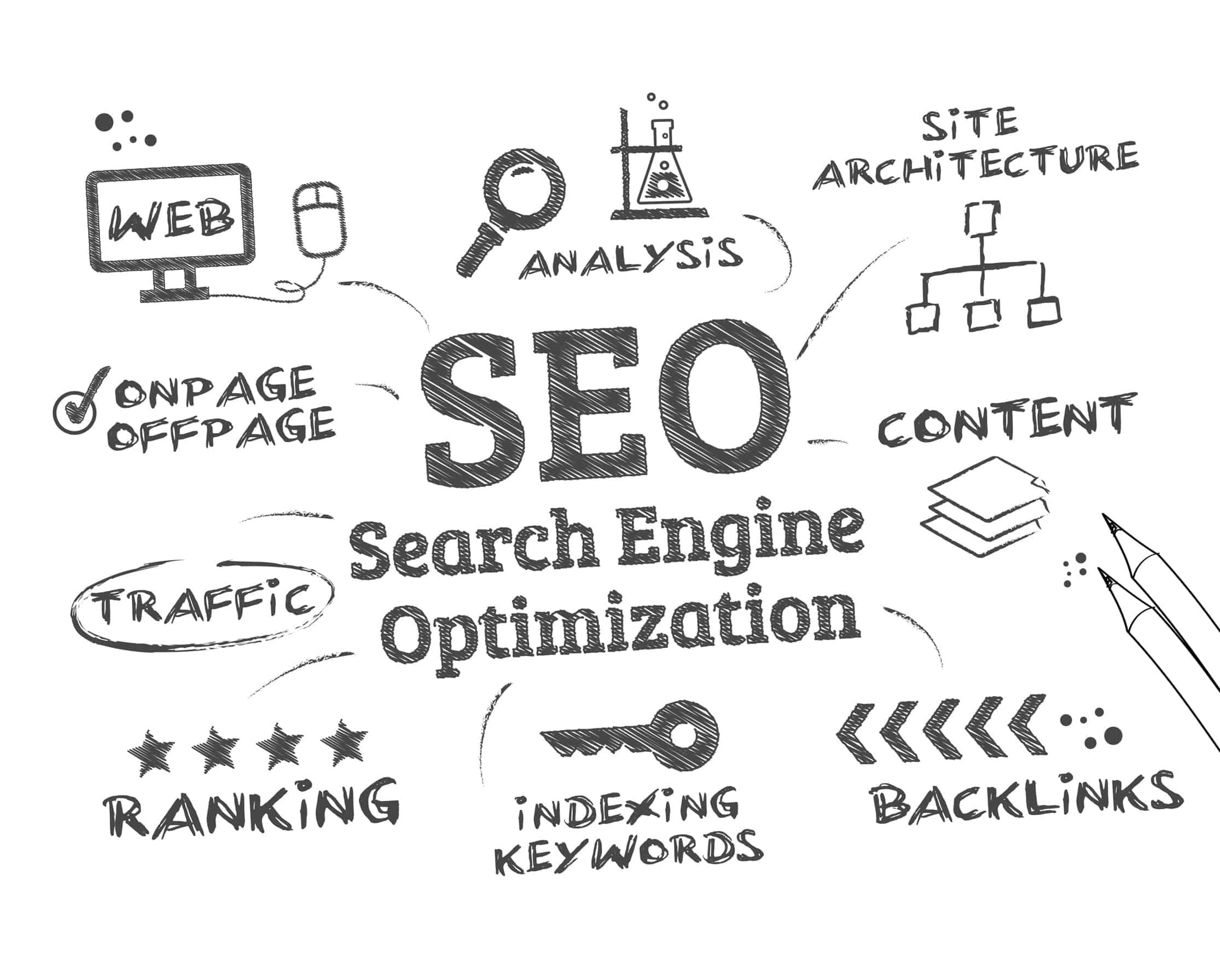
Search Engine Optimization, commonly known as SEO, is the process of increasing traffic to a website through organic or natural search results on search engines. Popular search engines like Google, Yahoo, and Bing display search results in a ranked order — and the higher your page ranks, the more visibility your site receives.

A well-optimized website has better chances of appearing among the top 10 search results. SEO involves improving the website’s content, HTML structure, and coding to make it more relevant to specific keywords while ensuring that there are no barriers to search engine indexing.

Another major part of SEO is link building, which involves increasing the number of backlinks (inbound links from other websites). These backlinks act as endorsements for your website, signaling to search engines that your content is credible and worth ranking higher.


Types of SEO

SEO can be broadly divided into two main categories:

  1. On-Page SEO

  2. Off-Page SEO


On-Page SEO

On-Page SEO refers to all the techniques and settings that can be implemented directly on your website to improve its search engine ranking.

This includes optimizing content with keywords, using meta tags and meta descriptions, improving internal linking, creating a customized URL structure, adding alt text to images, and ensuring high-quality, valuable content for users.


Types of On-Page SEO

1. Backlinking

Backlinking plays a major role in establishing authority and credibility. When you link to reliable and high-ranking websites, search engines like Google consider your website more trustworthy.

Creating multiple backlinks to authoritative sites can also increase the likelihood of earning reciprocal backlinks, meaning those sites might link back to you in the future. This exchange of links significantly improves your website’s traffic and search visibility.


2. Meta Description

A meta description is the short piece of text that appears below your website’s title on search engine result pages (SERPs).

This description helps users understand what your page is about and determines whether they click on your link or move on to another result. A strong, clear, and keyword-rich meta description can greatly improve your click-through rate (CTR) and overall search ranking.


3. Image SEO

Images are an essential part of a website, but they also need to be optimized for SEO. Image SEO ensures that your images appear in Google Image Search results, bringing in additional traffic to your website.

When a user clicks on an optimized image, they are redirected to your site — generating potential leads. To achieve this, make sure to:

  • Use descriptive filenames

  • Add relevant alt attributes

  • Compress images for faster loading times

Well-optimized images improve both user experience and search engine ranking.


Off-Page SEO

Off-Page SEO involves activities performed outside your website to enhance its authority, popularity, and trustworthiness. These actions signal to search engines that your website is valuable and credible.

Here are some key off-page SEO techniques:


1. Sharing Content

Creating valuable content is only half the job — sharing it is equally important. Posting your blogs or updates on social media platforms, forums, and other online communities can significantly increase visibility.

Your friends, followers, or professional connections may further share your post, expanding your reach exponentially. If your content is relevant and interesting, it has the potential to go viral and drive huge traffic to your website.


2. Likes and Star Ratings

The number of likes, shares, and ratings your content receives also impacts your SEO.

When a post gains positive ratings or reviews, it signals credibility and trustworthiness to both your audience and search engines like Google. In particular, star ratings act as a form of online review — improving user perception and ranking power.


3. Answering Queries and Being Responsive

Engagement is the heart of off-page SEO. When your audience leaves comments or questions, it shows they are genuinely interested in your content.

By responding promptly and helping users, you build trust and deepen engagement. This responsiveness not only improves customer relationships but also enhances your brand image and online reputation.


4. Understanding User Intent

Knowing what your audience is looking for is essential for successful SEO. Spend time researching trending topics, user preferences, and market demand before publishing new content.

By addressing your target audience’s interests and needs, you can generate more engagement, improve dwell time, and establish your website as a reliable information source. Staying updated with the latest industry trends also gives you a competitive advantage.


5. Building a Personal Connection

Off-Page SEO is not just about technical tactics — it’s also about building relationships.

Engage with your readers on social media, reply to their comments, and maintain a friendly tone. The more you interact personally, the more familiar and connected your audience will feel with your brand. This emotional connection can transform one-time visitors into loyal followers and customers.


Conclusion

Search Engine Optimization is much more than just ranking higher on Google — it’s about creating value, trust, and meaningful engagement.

By mastering both On-Page and Off-Page SEO techniques, businesses can dramatically increase their visibility, traffic, and credibility online. Whether it’s optimizing your meta tags, improving backlinks, or connecting personally with your audience, SEO remains one of the most powerful tools for sustainable digital growth.

Request a Free Estimate
Enter Your Information below and we will get back to you with an estimate within few hours
0